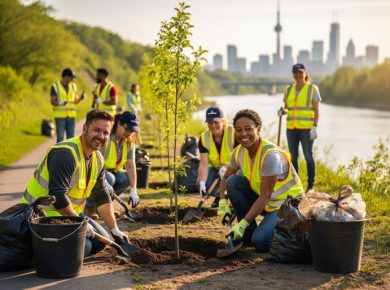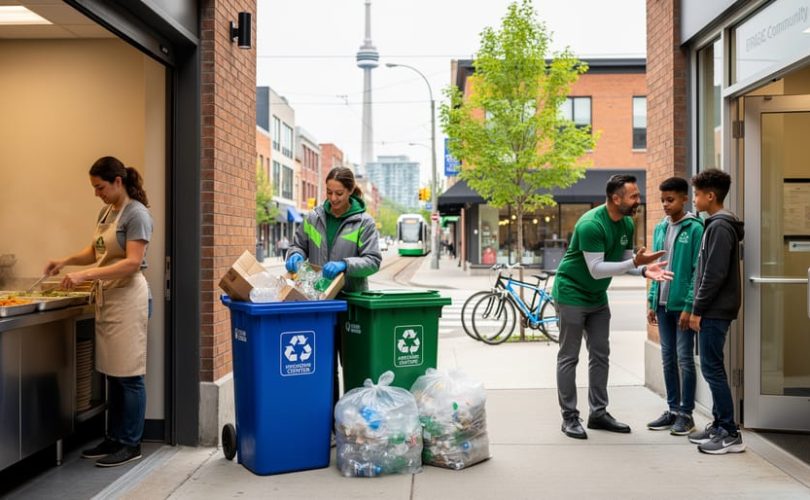
Toronto offers hundreds of volunteer positions across eight high-impact categories: community support roles, environmental initiatives, youth mentorship programs, event coordination, food security projects, senior care positions, newcomer services, and arts and culture programs. Each position connects you directly with neighborhoods that need your skills while building experience that matters.
Right now, local organizations are actively recruiting volunteers to fill specific roles that make measurable differences in communities across the city. Whether you have two hours a week or can commit to a regular schedule, positions range from hands-on work like serving meals at community kitchens to behind-the-scenes support such as grant writing for grassroots nonprofits. The demand is real, and the opportunities span every corner of Toronto.
What sets these eight positions apart is their proven track record for creating genuine community impact while offering volunteers clear paths to develop leadership skills. Youth volunteers, in particular, find these roles transformative, gaining practical experience that builds resumes while forming connections with mentors and peers who share their commitment to positive change.
The positions featured here were selected based on availability across multiple Toronto organizations, the scope of their community benefit, and the quality of training and support provided to volunteers. Each role description includes what you’ll actually do, who benefits from your work, and what skills you’ll develop along the way, giving you everything needed to move from interest to action.
How We Chose These Volunteer Positions
We evaluated hundreds of volunteer opportunities across Toronto to bring you these eight positions. Each role made our list because it meets specific standards that ensure your time creates genuine impact while supporting your development as a community leader.
Our selection criteria included:
- Measurable community impact that addresses pressing needs in Toronto neighborhoods
- Clear pathways for volunteers at all experience levels, from first-timers to seasoned community workers
- Strong youth engagement components and age-appropriate responsibilities
- Comprehensive training and ongoing support from established organizations
- Alignment with Toronto’s 2026 priorities around inclusion, sustainability, and social connection
We prioritized positions that offer both immediate contribution and long-term personal growth. Each role provides tangible ways to make a difference while building skills, expanding networks, and deepening your connection to Toronto’s diverse communities. These aren’t just volunteer positions, they’re opportunities to shape the city’s future while discovering your own strengths and passions. Whether you have two hours a week or can commit to a larger role, these positions welcome your energy and ideas.
1. Youth Mentor and Program Leader

Youth mentors and program leaders work directly with children and teens in settings that shape their formative years. In Toronto, these volunteers facilitate after-school homework clubs, lead recreational activities at community centers, and guide youth through personal development programs that build confidence and life skills.
Your responsibilities typically include planning and running structured activities, anything from sports and arts workshops to STEM clubs and literacy circles. You’ll supervise small groups, provide one-on-one guidance when teens face challenges, and model positive behavior that helps young people navigate critical decisions. Many programs focus on youth aged 12-18, a stage when consistent adult support makes a lasting difference.
The impact is tangible and immediate. Mentors help kids discover hidden talents, improve academic performance, and develop social skills that serve them throughout life. You’ll witness shy students become confident speakers, struggling learners find their stride, and isolated teens build meaningful friendships.
This role simultaneously develops your own leadership capacity. You’ll gain experience in conflict resolution, program planning, and communication with diverse families. Organizations like Big Brothers Big Sisters of Toronto, Toronto Public Library’s youth programs, and neighborhood community centers actively recruit mentors and provide comprehensive training.
Most programs require a 6-12 month commitment with weekly sessions ranging from two to four hours. Training covers youth development principles, trauma-informed approaches, and safety protocols. Background checks are standard. Organizations match you based on your interests and availability, ensuring the experience works for both you and the young people you serve.
2. Community Garden Coordinator

Community garden coordinator positions put you at the intersection of environmental action and neighborhood connection. These roles involve more than tending plots, you’re building green infrastructure that feeds families and teaches sustainable living practices.
As a coordinator, you’ll organize planting and harvest days, matching volunteers’ schedules with seasonal garden needs. You might spend a Saturday morning directing a team planting tomatoes and kale, then shift to teaching a group of teens proper composting techniques. The work requires planning skills, yes, but also the ability to make newcomers feel welcome whether they arrive with gardening expertise or just willing hands.
Training typically covers organic growing methods, volunteer management basics, and food safety protocols for produce distribution. Many Toronto community gardens partner with food banks and neighborhood centers, creating direct pathways from soil to table. You’ll coordinate harvest schedules, maintain growing records, and sometimes mediate when gardeners disagree about plot boundaries or shared tool etiquette.
The impact extends beyond the vegetables. Urban gardens transform underused lots into gathering spaces where neighbors who’d never otherwise meet work side by side. You’re creating youth volunteer opportunities that teach environmental stewardship while addressing food insecurity, families receive fresh produce they might not otherwise afford, and volunteers gain practical sustainability skills applicable to any living situation.
Most coordinator roles ask for 6-10 hours weekly during growing season, with flexibility for your work or school schedule. Toronto Community Garden Network and FoodShare Toronto actively recruit coordinators, offering structured support as you grow into the role.
3. Event and Festival Volunteer
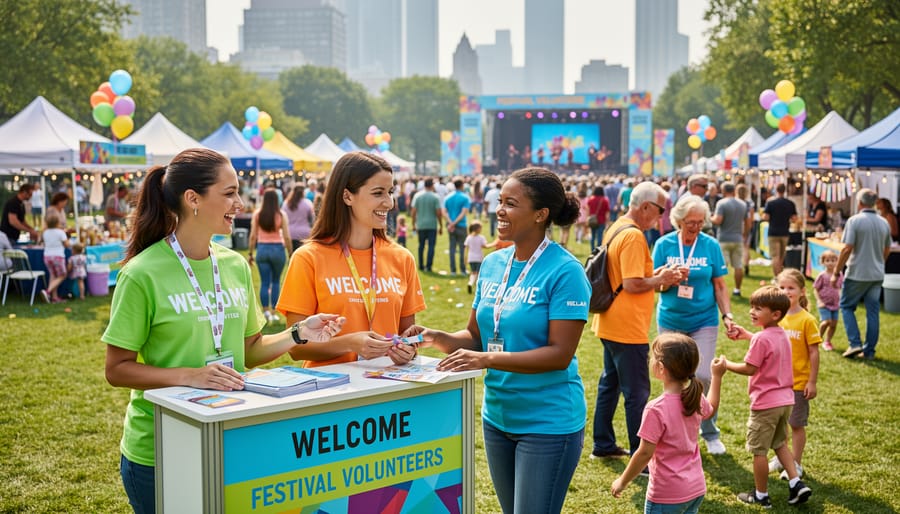
Toronto’s festival scene pulses with energy year-round, and event volunteers are the backbone of these celebrations. From Caribbean Carnival to Pride Week, Luminato to Taste of the Danforth, these positions put you right in the heart of Toronto’s cultural vitality while connecting you with people from every corner of the city.
Event volunteer roles span a wide range. Setup crews arrive early to assemble stages, arrange seating, and prepare vendor areas, physical work that builds camaraderie and gives you behind-the-scenes access. During events, you might staff information booths answering questions, manage registration tables, guide attendees to activities, or support accessibility services. Some volunteers assist performers, coordinate children’s zones, or help with crowd flow at busy entrances. Breakdown teams wrap things up, ensuring venues are left spotless and sustainable practices are followed.
These positions offer remarkable networking opportunities. You’ll work alongside dedicated community organizers, meet local artists and cultural leaders, and connect with fellow volunteers who share your interests. Many people have launched careers in event management, arts administration, or community health programs through connections made while volunteering at festivals.
The time commitment is flexible, many events need volunteers for just a single day or weekend shift, making this ideal if you can’t commit to ongoing weekly positions. You’ll gain transferable skills in logistics, customer service, and problem-solving while celebrating what makes Toronto extraordinary: its multicultural tapestry and the communities eager to share their traditions with neighbours old and new.
4. Senior Companionship Volunteer

Senior companionship volunteering addresses one of Toronto’s most pressing yet quiet challenges: the isolation many older adults face. These positions create meaningful connections that brighten daily life while offering volunteers perspective and wisdom that only comes from intergenerational friendship.
One-on-one companion programs pair volunteers with seniors for regular visits, either in their homes or at retirement communities across the city. You might share afternoon tea and conversation, help with grocery shopping, accompany someone to medical appointments, or simply provide a friendly presence for a few hours each week. These consistent relationships matter deeply, many participants describe their volunteer as the highlight of their week.
Tech support roles have become increasingly vital. Volunteers help older adults navigate smartphones, video calling, online banking, and social media so they can stay connected with distant family and access digital services. Your patience teaching someone to video chat with their grandchildren creates joy that ripples through entire families.
Recreation programs bring groups together for activities like gentle exercise classes, art workshops, book clubs, or large group volunteering outings to museums and concerts. These programs combat isolation while fostering community among participants who often form lasting friendships with each other.
Transportation assistance volunteers provide rides to medical appointments, community events, and social gatherings for seniors who no longer drive. This mobility support maintains independence and prevents the isolation that occurs when someone can’t leave home easily.
What volunteers gain is profound: life lessons, historical perspectives, and relationships that often become as meaningful to them as to the seniors they serve.
5. Newcomer Settlement Support Worker

Toronto welcomes thousands of newcomers each year, and settlement support volunteers play a vital role in helping immigrants and refugees build confident, connected lives in their new home. These positions offer meaningful ways to share your knowledge of the city while learning from people with rich cultural experiences.
Language practice partners meet regularly with newcomers for casual English conversation, helping them gain fluency in real-world settings beyond formal classes. You’ll discuss everyday topics like navigating transit, understanding Canadian workplace culture, or simply building confidence through friendly dialogue. Many programs match partners based on shared interests, creating genuine friendships that benefit both people.
Orientation guides help newcomers understand practical aspects of Toronto life: opening bank accounts, accessing healthcare, registering children for school, and using public services. You become a trusted resource during an overwhelming transition, turning confusing systems into manageable steps.
Employment mentors support job seekers with resume writing, interview preparation, and understanding Canadian workplace expectations. Your insights about industry norms and professional networking can accelerate someone’s career launch in a new country.
Cultural bridge-builders facilitate connections between newcomer families and established community members through social gatherings, neighbourhood tours, and shared activities. These informal roles range from environmental volunteering projects together to celebrating cultural festivals.
These positions strengthen Toronto’s identity as a welcoming, inclusive city. You’ll help newcomers feel genuinely at home while expanding your own cultural understanding and building relationships across backgrounds. Most organizations provide cultural competency training and ongoing support to ensure meaningful, respectful exchanges.
6. Environmental Steward and Park Naturalist
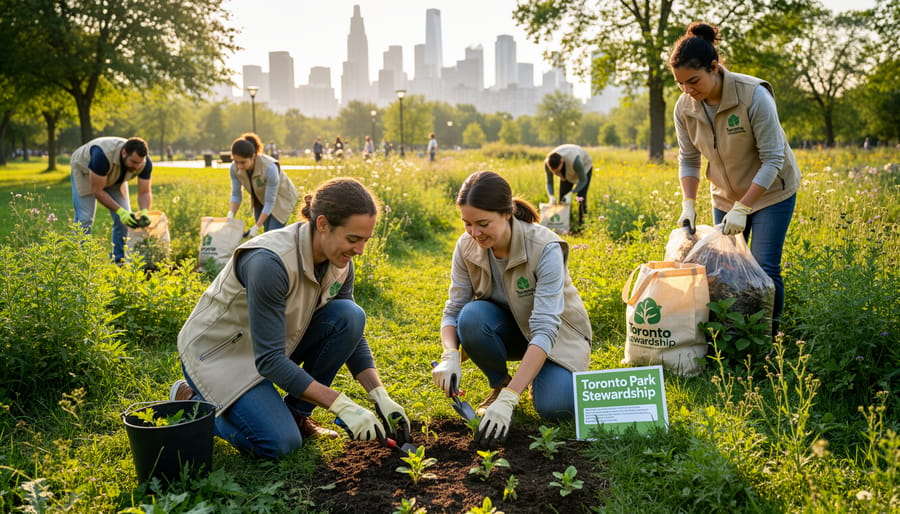
Toronto’s 1,600+ parks and ravines need dedicated volunteers to protect and restore these vital green spaces. Environmental steward and park naturalist positions combine outdoor work with education, giving you hands-on experience in conservation while teaching others about urban ecology.
These roles typically involve habitat restoration projects like removing invasive species, planting native trees and wildflowers, and maintaining trails through Toronto’s ravine system. You’ll work alongside conservation biologists and experienced naturalists who teach you plant identification, ecosystem dynamics, and restoration techniques. Many programs run weekend work parties, making it easy to contribute a few hours monthly or commit to larger seasonal projects.
Educational programming forms another major component. Park naturalist volunteers lead nature walks for families, deliver school programs about local wildlife, and staff interpretive stations during special events. You don’t need a science background, training covers everything from bird identification to explaining why native plants matter for pollinators. These teaching moments help Toronto residents connect with nature in their own neighborhoods.
Advocacy work includes participating in environmental assessments, attending community consultations about park development, and helping organizations document biodiversity through citizen science projects like bird counts and stream monitoring. Your observations contribute to real conservation decisions.
Groups like Toronto and Region Conservation Authority, High Park Nature Centre, and Friends of the Pan Am Path actively recruit volunteers year-round. Stewardship positions suit anyone who enjoys physical outdoor work, values environmental protection, and wants to see tangible results from their efforts. You’ll leave each session with dirt under your nails and the satisfaction of directly improving Toronto’s natural heritage.
7. Food Bank and Meal Program Volunteer
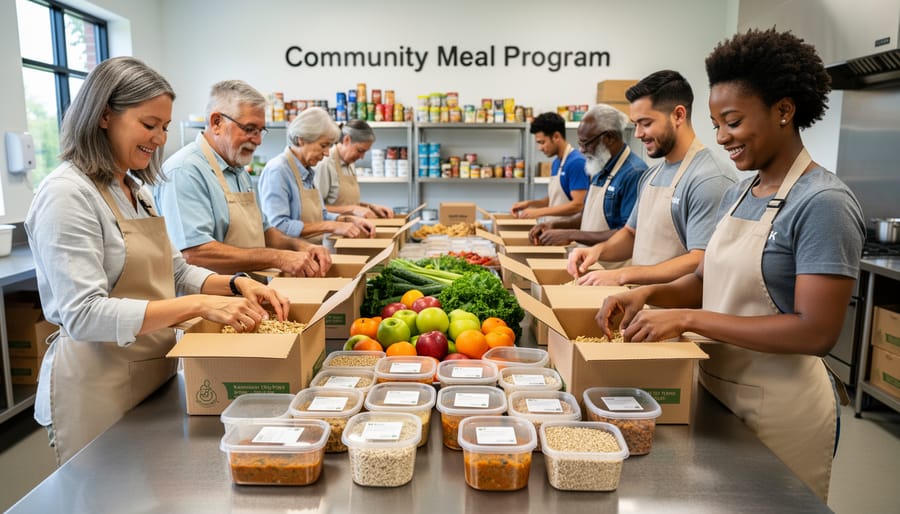
Food insecurity affects thousands of Toronto households, and food bank volunteers form the frontline response. These positions offer immediate, tangible impact while addressing one of the city’s most pressing challenges.
Sorting and packing roles anchor most food bank operations. You’ll organize donated items, check expiration dates, assemble hampers based on household size and dietary needs, and prepare distributions. These shifts typically run two to four hours and require no special skills beyond attention to detail and the ability to lift moderate weights. The work is repetitive but essential, every properly packed hamper directly feeds a family.
Community kitchen volunteers prepare and serve hot meals at drop-in centers, shelters, and neighborhood programs. You might chop vegetables, plate meals, serve diners, or clean up afterward. These roles put you face-to-face with community members, creating moments of dignity and connection alongside nutrition. Many volunteers find the interpersonal aspect as rewarding as the service itself.
Delivery drivers transport food hampers to homebound seniors, families without transportation, and partner agencies across Toronto. You’ll need a reliable vehicle, clean driving record, and flexibility for daytime shifts. This role suits volunteers who prefer working independently while still making direct impact.
Administrative volunteers handle intake forms, maintain inventory systems, coordinate volunteer schedules, and support fundraising efforts. These behind-the-scenes positions keep operations running smoothly and work well for those with office skills or limited physical capacity.
Most programs welcome one-time volunteers for special events alongside regular weekly commitments, making food security work accessible regardless of your schedule.
8. Crisis Line and Support Hotline Responder

Crisis line responder positions represent some of the most meaningful volunteer work available in Toronto. Organizations like Distress Centres Ontario, Kids Help Phone, and Gerstein Crisis Centre train volunteers to provide compassionate support during life’s most challenging moments, delivering empathy, active listening, and practical resources to callers experiencing mental health crises, suicidal thoughts, trauma, or overwhelming stress.
Training is comprehensive and mandatory. Most programs require 40-60 hours of structured preparation covering crisis intervention techniques, suicide risk assessment, mental health fundamentals, de-escalation strategies, and proper referral protocols. You’ll learn to listen without judgment, ask clarifying questions, assess safety, and connect callers with immediate help when needed. This isn’t one of those team volunteer roles where you work alongside others during shifts, you’re the sole responder handling confidential conversations one-on-one.
Commitment expectations are significant. Programs typically require minimum six-month commitments with regular shifts (often one four-hour shift weekly). Background checks and reference verification are standard, and ongoing supervision plus peer support sessions help volunteers process difficult calls and maintain emotional wellness.
The impact is profound. You might be the voice that helps someone choose life over suicide, the listener who validates a teen’s pain when they feel completely alone, or the guide who connects a person to housing, addiction services, or mental health care. Youth-specific lines like Kids Help Phone and Toronto-based youth mental health programs actively recruit volunteers under 30 who understand teen challenges firsthand. Every conversation matters, these positions demand emotional resilience but offer unmatched meaning in return.
Making Your Choice: Finding Your Best Fit
Choosing the right volunteer position starts with honest reflection about your interests and what energizes you. If you love being active and outdoors, environmental stewardship roles offer that connection. If you thrive on one-on-one interaction and making someone’s day brighter, companionship or mentorship positions might resonate more deeply. Think about what matters most to you in Toronto’s community landscape and let that guide your exploration.
Consider your realistic availability too. Some positions like crisis line work require consistent weekly shifts and extensive training, while festival volunteering or garden days might offer flexible, one-off opportunities that fit irregular schedules. Students balancing coursework often find event roles or mentorship programs that align with academic calendars work well. Don’t underestimate transferable skills you already have. Organizing friend gatherings translates to event coordination. Helping family members with technology makes you valuable in senior programs or newcomer support. Your everyday strengths matter.
Growth opportunities matter just as much as immediate fit. Many volunteers discover unexpected passions through hands-on experience, and Toronto’s diverse volunteer landscape welcomes people at every skill level. Starting with one position doesn’t lock you in forever. Trying different roles helps you understand where you create the most impact and feel most fulfilled. Every contribution strengthens Toronto’s community fabric, whether you commit two hours monthly or ten hours weekly.
Common Questions About Volunteer Positions in Toronto
How much time do I need to commit to volunteer in Toronto?
Time commitments vary widely by role. Some positions like event volunteers require just a few hours once or twice a year, while crisis line responders typically commit to one four-hour shift weekly for six months. Most organizations offer flexible scheduling, and many roles designed for students accommodate academic calendars with lighter commitments during exam periods.
Do I need previous experience to volunteer?
The majority of Toronto volunteer positions welcome beginners and provide training. Roles like food bank sorting, event support, and community garden helpers require no prior experience. Specialized positions such as crisis line responders or youth mentors offer comprehensive training programs before you start, ensuring you’re prepared and confident.
Will I need a background check?
Positions involving vulnerable populations, youth, seniors, or crisis support, typically require a police background check, which organizations often help coordinate at no cost to you. Roles like environmental stewardship or festival volunteers generally don’t require checks.
How does UWindsor help me find the right position?
UWindsor’s platform lets you filter opportunities by interest area, time commitment, and location across Toronto. The service connects you directly with vetted organizations, provides details on training and expectations, and offers ongoing support to ensure your volunteer experience is rewarding and sustainable.
Finding answers to practical questions removes barriers between interest and action. Most people hesitate not because they lack enthusiasm, but because they’re unsure about logistics. Toronto’s volunteer sector has evolved to accommodate diverse schedules and skill levels, making it easier than ever to contribute meaningfully regardless of your starting point or availability.
Toronto’s volunteer landscape is as diverse as the city itself, offering positions that match every schedule, skill set, and passion. Whether you’re drawn to mentoring youth, supporting newcomers, tending community gardens, or providing crisis support, there’s a role where your contribution creates real change. The beauty of volunteering lies in its reciprocity: while you’re helping others, you’re building connections, developing new skills, and discovering strengths you didn’t know you had.
Starting your volunteer journey doesn’t require perfection or extensive experience. It requires showing up. Each position we’ve explored represents countless volunteers who took that first step, uncertain perhaps, but willing. Their collective efforts strengthen Toronto’s social fabric, one shift, one conversation, one shared meal at a time. You’re not just filling a volunteer slot when you commit to a position. You’re joining a movement of people who believe communities thrive when neighbors care for neighbors. Your skills, your time, your presence matters more than you might imagine. The question isn’t whether you have something to offer, but which of Toronto’s many meaningful opportunities will benefit most from the unique combination of gifts only you bring.