Young people across Toronto are discovering something powerful: volunteering isn’t just about padding a resume. It’s about finding your voice, building real skills, and creating change in communities that need your energy and fresh perspective right now.
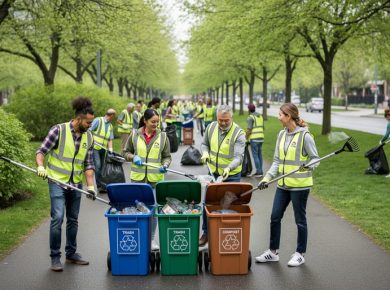
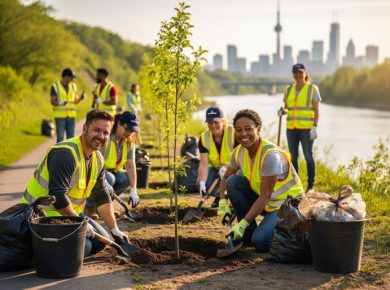
In 2026, the landscape of youth volunteering has evolved far beyond traditional roles. Teens and young adults are leading environmental initiatives, mentoring younger kids, supporting newcomer families, organizing community events, and using digital skills to help nonprofits amplify their impact. These aren’t token positions. Organizations genuinely need what you bring: creativity, tech fluency, social media savvy, and authentic connection with younger demographics.
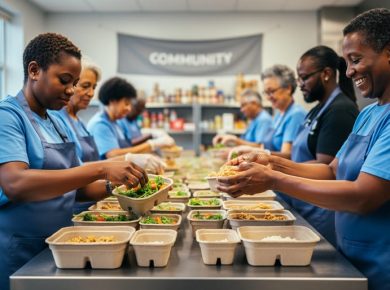
The benefits run deeper than most expect. Youth volunteers consistently report improved mental health, expanded networks, career clarity, and a sense of belonging that’s hard to find elsewhere. Maya, 17, started volunteering at a local food bank and discovered a passion for food security advocacy that shaped her university path. James, 19, used his gaming skills to teach coding to elementary students and landed his first paid role through connections made while volunteering.
For organizations, engaging youth volunteers means tapping into enthusiasm that can revitalize programs and reach new audiences. But it requires understanding what young people need: flexible scheduling around school, meaningful responsibilities, clear communication, and recognition that respects their time.
Whether you’re a young person searching for purpose or an organization ready to empower the next generation, the opportunities waiting in Toronto’s vibrant community sector can transform both individual lives and neighborhoods.
Why Toronto Youth Programs Need Volunteers Right Now
Toronto’s youth programs are stretched thinner than ever. Across the city, community centres, after-school initiatives, and mentorship organizations are juggling waitlists that have doubled since 2023 while operating with volunteer rosters that haven’t recovered from the pandemic volunteering challenges that disrupted civic engagement patterns. The gap is stark: youth-serving organizations in neighborhoods from Scarborough to Etobicoke report needing 30-40% more volunteers just to maintain pre-2020 service levels, let alone expand to meet current demand.
What changed? Families are leaning harder on community programs as extended childcare and mental health supports become necessities, not nice-to-haves. Schools refer more students to external programs for everything from homework help to social skills development. Meanwhile, many long-time volunteers who stepped away during lockdowns haven’t returned, and organizations lost institutional knowledge when experienced contributors moved on.
The volunteers who do show up make measurable differences. A single volunteer mentor can support five to eight youth participants per session. Event coordinators keep sports leagues and arts workshops running. Tutors help students close learning gaps that widened during remote schooling years. Without these contributors, programs cancel sessions, limit enrollment, or burn out their paid staff trying to fill impossible gaps.
This isn’t just about keeping programs alive. It’s about Toronto’s kids getting the connections, skills, and support they need during formative years. When volunteer capacity shrinks, so do opportunities for thousands of young people who depend on these spaces to thrive.
Types of Youth Volunteer Roles That Make Real Impact
Mentorship and Peer Support Roles
Youth mentorship programs across Toronto create powerful connections between young volunteers and participants. One-on-one mentorship typically pairs volunteers aged 16-24 with younger teens or children, meeting weekly for activities like homework help, sports, or simply talking through challenges. Group mentorship works differently, volunteers lead workshops, organize discussion circles, or facilitate peer support sessions where shared experiences build community.
Most programs require mentors to be at least two years older than participants they support. At Thorncliffe Community Centre, 18-year-old Priya mentors three Grade 7 girls through their transition to high school. “They text me about friendship drama, school stress, everything,” she shares. “Knowing they trust me enough to ask for advice changed how I see my own voice.”
The impact runs deeper than organizations initially expect. North York programs report that youth who participate as peer mentors show 40% higher retention in their own educational goals. When young people mentor others just a step behind them on life’s path, both grow stronger.

Skills-Based and Educational Volunteers
Toronto’s youth programs are constantly looking for volunteers who can bring specialized skills to the table. If you’re a teen with coding knowledge, you could lead a Saturday morning tech workshop teaching younger kids to build their first website or game. Love painting or music? Arts-based programs need volunteers to run drop-in studios where participants experiment with new mediums without pressure.
Language skills open particularly valuable opportunities. Bilingual volunteers help newcomer youth navigate homework assignments while building confidence in English. One Scarborough program matched a Mandarin-speaking volunteer with recent immigrant families, creating a bridge that helped both students and parents feel welcomed.
Athletic volunteers organize pickup basketball games, teach skateboarding basics, or coach recreational soccer, no official certification required for many recreational roles. The key is sharing what you genuinely know and care about in an accessible way.
These skills-based roles typically require a few hours weekly and let you see direct results. A volunteer teaching basic guitar might watch a shy participant perform their first song at a community showcase just months later. That’s the kind of impact specific talents can create.
Program Support and Behind-the-Scenes Contributors
Not every youth volunteer needs to work directly with participants. Behind-the-scenes roles keep programs running and offer perfect opportunities for volunteers who prefer structured tasks or want to build specific professional skills.
Administrative volunteers handle essential operations: managing databases, processing registrations, updating social media accounts, or creating promotional materials. These roles work especially well for students interested in communications, business, or nonprofit management. A youth program in East York recently trained three high school volunteers to manage their participant tracking system, freeing staff to focus on program delivery while giving the volunteers real-world database experience.
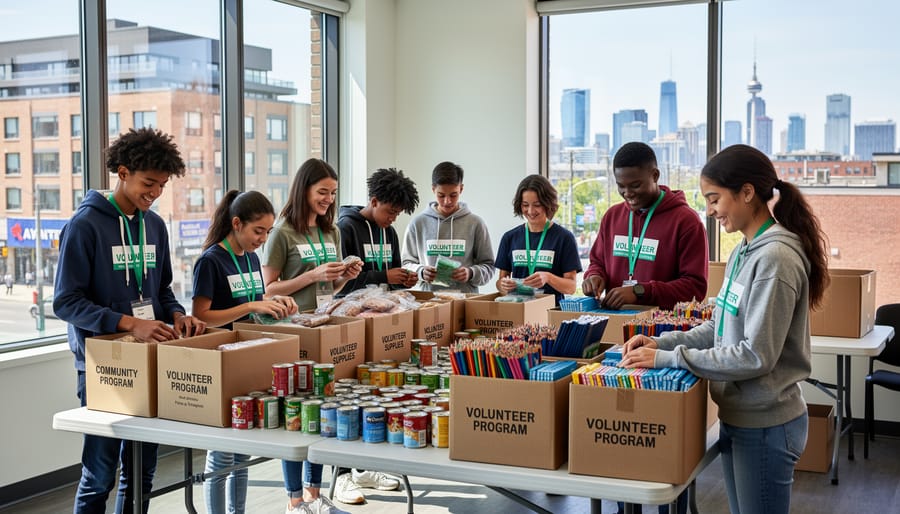
Event planning volunteers coordinate logistics for program activities, tournaments, and community celebrations. Tasks range from securing venues and coordinating supplies to managing day-of schedules and volunteer check-ins. One Scarborough program relies on youth volunteers to plan their annual community fair, which serves 500 families each summer.
Fundraising support volunteers assist with donation tracking, thank-you communications, and campaign coordination. These roles introduce young people to nonprofit sustainability while directly contributing to program continuation. The work happens mostly on weeknights and weekends, fitting student schedules perfectly.

What Youth Volunteers Gain from These Experiences
Volunteering transforms young people in ways that extend far beyond the hours logged. Toronto youth who step into volunteer roles discover they’re building a toolkit of practical skills while making genuine connections that often last years.
The resume boost is real, but it goes deeper than a line item. Maya, who started volunteering at a North York after-school program at 16, landed her first paid position because her supervisor saw how she naturally resolved conflicts between kids and adapted activities on the fly. Those weren’t skills she learned in a classroom. Youth volunteers develop problem-solving abilities, communication techniques, and emotional intelligence that employers actively seek in 2026’s job market.
Leadership emerges organically when young people take ownership of projects. A Scarborough teen who organized a weekend sports camp for newcomer families found himself coordinating schedules, managing equipment, and motivating a team of peer volunteers. He didn’t set out to become a leader; the opportunity revealed capabilities he didn’t know he had.
Community connections matter differently for this generation. While digital networks dominate their social lives, face-to-face volunteering creates relationships rooted in shared purpose. Young volunteers frequently describe finding their “people”, mentors who guide their career thinking, peers who share their values, and community members who see their potential.
The personal growth runs deepest. Youth volunteers consistently report increased confidence, clearer sense of direction, and genuine pride in tangible contributions. When a Etobicoke high school student helped a struggling reader finally crack the code of phonics, she realized teaching might be her path. That clarity doesn’t come from scrolling; it comes from doing work that matters.
These experiences give young people something social media can’t: proof that their actions create real change in real lives, right in their own neighborhoods.
How Organizations Can Attract and Support Youth Volunteers
Creating Youth-Friendly Volunteer Opportunities
The difference between youth volunteers who thrive and those who disappear after one shift often comes down to how you structure the opportunity itself.
Start with scheduling that respects their reality. Offer weekend shifts, after-school blocks, and flexible commitment options, even two hours on a Saturday morning counts. Consider project-based roles with clear start and end dates rather than demanding indefinite weekly commitments. High school students juggle exams, part-time jobs, and extracurriculars; university students face midterms and finals. Build that rhythm into your volunteer calendar.
Make the work meaningful from day one. Youth can spot busywork immediately, and nothing kills enthusiasm faster than being relegated to endless filing or sitting idle while adults do the real work. Give them actual responsibilities: leading a small group activity, managing social media for an event, or coordinating a supply drive. Trust them with tasks that create visible impact.
Provide clear role descriptions that outline expectations, time commitments, and what they’ll actually do and learn. Vague postings attract vague interest. When a 17-year-old can picture themselves running a coding workshop for younger kids or organizing a community cleanup, they can envision their contribution mattering.
Training and Support That Sets Youth Up for Success
Effective youth volunteer programs start with structured orientation covering organizational policies, safety protocols, and clear role expectations. Break training into digestible sessions rather than overwhelming new volunteers with everything at once. Pair each youth with an experienced staff member or senior volunteer who can answer questions and provide real-time guidance during their first few shifts.
Create explicit communication channels where young volunteers feel comfortable asking for help or raising concerns. Regular check-ins, even brief ones, make volunteers feel valued and catch potential issues early. Many Toronto organizations schedule monthly debrief sessions where youth volunteers can share experiences and learn from each other.
Safety training deserves special attention. Ensure youth understand boundaries, emergency procedures, and whom to contact in different situations. Provide written resources they can reference later, since nerves during orientation often mean details get forgotten.
Recognition matters enormously. Acknowledge contributions through thank-you notes, certificates, or simple verbal appreciation. Youth volunteers who feel supported and appreciated stay engaged longer and contribute more meaningfully to your program’s mission.
Connecting with UWindsor’s Youth Volunteer Network
UWindsor’s platform simplifies the connection between Toronto youth seeking meaningful volunteer work and organizations that need their energy and talent. Organizations can create detailed opportunity listings that specify the skills needed, time commitments, and impact volunteers will make. The platform’s matching system helps ensure you reach youth whose interests and availability align with your program’s needs.
For youth volunteers, browsing opportunities is straightforward. You can filter by location within Toronto, time commitment (from one-time events to ongoing roles), and areas of interest like mentorship, sports, arts, or education support. Each listing provides clear expectations so you know exactly what you’re signing up for before you commit.
Organizations benefit from UWindsor’s vetting process, which verifies youth volunteers’ basic information and commitment level. The platform also provides templates for role descriptions, onboarding checklists, and volunteer hour tracking, removing administrative headaches that often bog down small community programs.
UWindsor’s support team offers guidance for both sides of the equation. Organizations can access consultation on creating youth-friendly roles and building effective training programs. Youth volunteers can get help finding opportunities that match their goals, whether they’re exploring career interests, fulfilling school requirements, or simply wanting to give back to their community.
Getting started takes minutes. Organizations create a free account, post their first opportunity, and start receiving applications from qualified youth. Young people sign up, complete a brief profile highlighting their interests and availability, then browse live opportunities across Toronto. The platform handles scheduling coordination and communication, making the entire process smoother for everyone involved.
Toronto’s youth programs need you, whether you’re a young person ready to make a difference or an organization searching for passionate volunteers to strengthen your community initiatives.
The benefits flow both ways. Youth volunteers gain real-world skills, build meaningful connections, and discover their potential while contributing to causes they care about. Organizations receive fresh energy, diverse perspectives, and dedicated support that transforms what’s possible for the young people they serve. When these connections happen, entire neighborhoods feel the impact.
Right now, in 2026, Toronto faces a critical gap between the demand for youth programming and the volunteer capacity to deliver it. Every mentor, tutor, event coordinator, and behind-the-scenes supporter plays a vital role in closing that gap.
UWindsor makes these connections simple. Organizations can post opportunities that attract the right youth volunteers. Young people can discover roles that match their interests, schedules, and skills. The platform handles the details so you can focus on what matters: creating positive change together.
Don’t wait for someone else to step up. Your community is calling, and the time to answer is today.