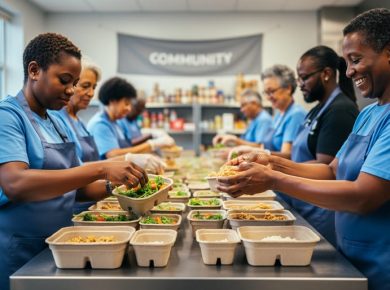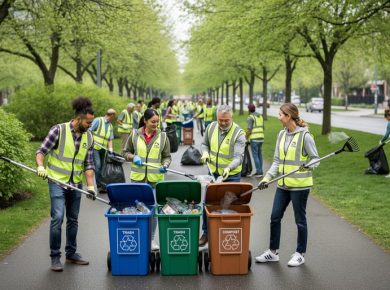
Finding time to volunteer can feel impossible when you’re juggling work, school, and life. Eight-hour volunteer opportunities in Toronto solve this by letting you make a meaningful impact in a single dedicated day rather than committing to weekly shifts over months. These extended sessions are perfect for professionals with limited schedules, students who need to complete service hours during breaks, or anyone who wants to dive deep into community work and see tangible results before heading home.
Toronto offers substantial single-day opportunities that go far beyond token participation. You can spend a full day at Daily Bread Food Bank’s administrative shift from 8:30am to 4:30pm, handling vital behind-the-scenes work that keeps food flowing to families across the city. Or stack warehouse shifts throughout the day, sorting donations in the morning and prepping food hampers in the afternoon at their South Etobicoke location. Each option delivers the satisfaction of completing real work that directly supports neighbors facing food insecurity.
What makes these longer shifts powerful is the depth of engagement they create. You learn the full scope of an organization’s mission, build genuine connections with fellow volunteers and staff, and contribute enough hours to truly move the needle on community challenges. Youth volunteers especially benefit from this immersive format, gaining skills and perspective that short visits can’t provide while completing significant service requirements in a single day.
The following eight opportunities represent the best ways to volunteer for a full day in Toronto, each offering meaningful work that transforms both the community and your understanding of local needs.
Why Choose an 8-Hour Volunteer Shift?
An 8-hour volunteer shift transforms how you experience community service. Instead of dropping in for a quick task, you gain genuine immersion in an organization’s mission and see meaningful results unfold throughout your day. You move beyond the introductory phase into substantive contribution, often tackling varied responsibilities that build real skills.
This concentrated approach suits professionals who can’t commit to weekly evenings but want authentic engagement. Rather than fragmenting your service across months of short visits, you deliver sustained value in one dedicated block. Organizations benefit from your deeper involvement, and you leave with a fuller understanding of their work and challenges.
Fellow volunteers become actual colleagues when you spend a full day together. You’ll share breaks, solve problems as a team, and build connections that make future shifts more rewarding. Many volunteers discover lasting friendships and mentorship relationships during extended sessions that simply don’t develop in rushed two-hour windows.
For youth volunteers especially, 8-hour shifts offer efficient progress toward service-learning requirements while creating memorable experiences. A school break or gap period becomes an opportunity to contribute meaningfully rather than just accumulate hours. Whether you’re sorting hundreds of food hampers, preparing a community event, or mentoring students through an intensive tutoring day, you’ll witness tangible outcomes from your effort.
These high-impact roles let you dive deep, contribute substantially, and return home knowing you made a genuine difference in one powerful day of service.
How We Chose These Opportunities
We carefully selected each opportunity in this guide to ensure you can truly dedicate a full day to meaningful volunteer work in Toronto. Our criteria focused on practical access and genuine impact, not just theoretical possibilities.
Every opportunity listed meets specific standards designed to support new volunteers who want to commit 8 hours or close to it:
- Shift length of 8 hours or the ability to combine consecutive shifts to reach a near-8-hour commitment
- Verified availability through publicly accessible schedules and sign-up systems as of 2026
- Location accessible by TTC or within walkable distance of major transit routes
- Established volunteer orientation and training programs that welcome first-time volunteers
- Substantive roles where extended time creates visible community impact, not just task repetition
We anchored this list with Daily Bread Food Bank because it offers a confirmed full 8:30am to 4:30pm administrative shift on weekdays, plus the flexibility to stack warehouse shifts throughout the day at its South Etobicoke location. This verified model demonstrates that extended volunteer opportunities do exist in Toronto for those ready to commit.
The remaining opportunities represent categories where organizations commonly schedule longer sessions or welcome volunteers to combine shifts, particularly during high-need periods and community events. We prioritized roles that build skills, foster connections with fellow volunteers, and allow you to see the results of your work by day’s end.
8 Extended Volunteer Opportunities in Toronto
1. Daily Bread Food Bank Administrative Support, Full-Day Community Impact

Daily Bread Food Bank’s administrative volunteer shift runs from 8:30am to 4:30pm on weekdays at 191 New Toronto Street in South Etobicoke, offering a rare full-day opportunity to support Toronto’s food security infrastructure from behind the scenes. This role puts volunteers at the heart of operations that keep one of Canada’s largest food banks running: you might handle data entry that tracks inventory and client needs, coordinate volunteer schedules for the week ahead, update communications materials that reach donors and community partners, or organize documents that support advocacy work. The administrative team touches every part of the organization, and an 8-hour commitment lets you see how morning donor calls connect to afternoon hamper distribution, how volunteer coordination enables smooth warehouse operations, and how accurate record-keeping powers the research that shows Daily Bread distributed millions of pounds of food to Toronto families annually.
Sign up by registering online through Daily Bread’s website and completing the volunteer orientation process, which prepares you for the office environment and specific tasks. This shift works beautifully for professionals who want to donate a vacation day to meaningful work, students on reading week looking to accumulate service hours in one go, or anyone who prefers the depth of understanding that comes from a full workday rather than a quick drop-in. You’ll leave with a clear picture of how a food bank actually functions and the knowledge that your organizational support freed frontline staff to focus on serving Toronto’s most vulnerable neighbors.
2. Multi-Shift Warehouse Sorting and Prepping, Hands-On Food Security Work
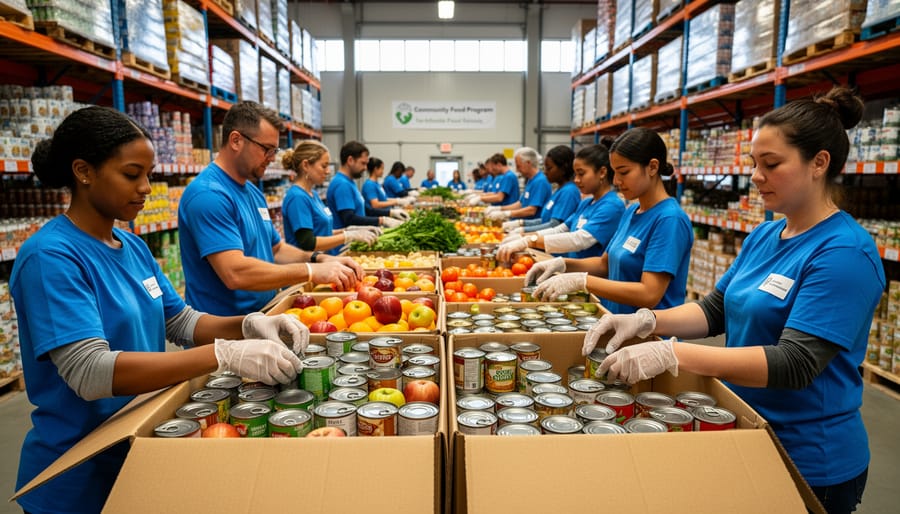
For volunteers who want a full day of tangible, hands-on work, Daily Bread’s warehouse sorting and prepping shifts can be combined to create a near-8-hour experience at 191 New Toronto Street in South Etobicoke. By stacking the morning sorting shift (8:30am to 11:30am) with the afternoon session (12:30pm to 3:30pm), you give yourself a lunch break in between and log six solid hours of meaningful work. Prepping shifts follow the same schedule and can be stacked the same way.
What does sorting and prepping actually look like? You will be on your feet, working alongside other volunteers to inspect donated food items, check expiration dates, and separate items by category. Sorting means organizing the constant flow of donations so they can be distributed efficiently. Prepping involves assembling emergency food hampers based on family size and dietary needs, ensuring each box contains balanced nutrition. Both roles demand attention to detail, but the work moves quickly and the impact is immediate: every hamper you build goes directly to a Toronto household facing food insecurity.
The team environment makes these shifts especially popular with youth volunteers during school breaks. Working shoulder-to-shoulder with people from across the city, sharing conversation over repetitive tasks, creates genuine camaraderie. Many volunteers report that the physical nature of the work and the visible results, pallets organized, hampers stacked and ready, make the day feel productive and rewarding. Volunteer shifts and requirements vary by organization, but Daily Bread’s warehouse roles are beginner-friendly and provide clear training on arrival.
3. Extended Picking and Packing Sessions, Building Food Hampers for Families

Daily Bread’s picking shifts offer a direct line to family support, allowing you to build the emergency food hampers that reach Toronto households facing food insecurity. The warehouse at 191 New Toronto Street runs picking sessions from 9:00am to 12:00pm and 1:00pm to 4:00pm on weekdays, with an additional 4:00pm to 5:30pm shift available. You can easily combine the morning and afternoon shifts for a six-hour commitment, or add the late shift to extend your day even further.
The work is straightforward but meaningful: you’ll select food items based on specific family profiles (considering dietary needs, household size, and cultural preferences), quality-check each donation to ensure freshness and safety, and assemble balanced hampers that provide nutrition and dignity. You’re not just moving boxes. You’re making decisions that directly affect what families put on their dinner tables tonight.
This role appeals to volunteers who want hands-on engagement with clear outcomes. By the end of your shift, you’ll see stacks of completed hampers ready for distribution across Toronto neighborhoods where food insecurity is most acute. The physical work keeps you moving, the team environment builds quick connections with fellow volunteers, and the impact is immediate. Register online and complete the volunteer orientation to get started.
4. Special Event Volunteering, Festivals, Fundraisers, and Community Days

Toronto’s festival and fundraising calendar creates countless opportunities to volunteer for a full day and experience the city’s diverse communities in action. Event volunteering takes you behind the scenes of cultural celebrations, charity runs, community fairs, and seasonal festivals where your eight-hour commitment covers the full arc from setup to breakdown. You might spend the morning assembling vendor tents and registration tables, midday welcoming attendees and coordinating activities, and afternoon helping with crowd flow and cleanup. The variety keeps the day engaging, and the energy is contagious.
These roles offer something rare: you meet hundreds of people in a single shift, from fellow volunteers to community members you would never encounter otherwise. Youth volunteers particularly thrive in this environment, whether supporting kids’ zones at neighborhood festivals or handing out water at charity 5Ks. The visible impact, transforming an empty park into a vibrant gathering space, makes the physical work rewarding.
Finding these opportunities requires staying connected. Check Volunteer Toronto’s database regularly and filter for event-based roles, follow community centers and cultural organizations on social media for seasonal callouts, and subscribe to volunteer newsletters from groups whose mission resonates with you. Many organizations recruit volunteers months in advance for major events, so planning ahead opens more doors. Event volunteering gives you festival access, free training, often a meal or t-shirt, and stories you will share for years.
5. Community Garden and Environmental Restoration Days
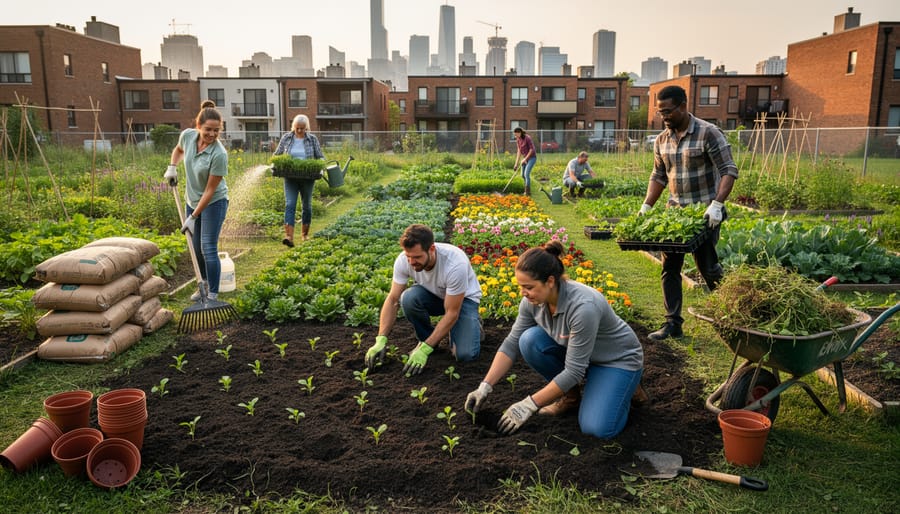
Toronto’s community gardens and environmental organizations schedule full-day restoration workdays that transform green spaces while connecting volunteers to nature and neighbors. These sessions typically run from 9am to 4pm or 5pm, offering extended outdoor service perfect for those who want to see dramatic progress in a single day.
You’ll spend your day planting native species, weeding invasive plants, mulching garden beds, maintaining walking trails, or restoring habitat along ravines and watersheds. Many organizations provide all tools, gloves, and instruction, so you arrive ready to learn and leave physically tired but satisfied by the visible change your group accomplished.
The outdoor setting makes these shifts especially appealing during Toronto’s spring and fall seasons. You’ll work alongside experienced gardeners and environmental educators who share knowledge about native ecosystems, sustainable practices, and urban biodiversity. Youth volunteers often discover mentorship opportunities with conservation professionals and develop hands-on skills in horticulture, ecology, and community organizing.
Groups are welcome and encouraged at most restoration days, making this an excellent choice for families, friends, or coworkers who want to volunteer together. Check environmental opportunities listings for seasonal workdays with organizations like local stewardship councils, park friends groups, and community garden networks that schedule these immersive outdoor sessions.
6. Toronto Public Library Program Support, Literacy and Learning

Toronto Public Library branches are community hubs for learning and literacy, and many offer extended volunteer opportunities tied to reading programs, homework clubs, and digital literacy workshops. While individual branches manage their own volunteer schedules, you can often find full-day or near-full-day roles during summer reading challenges, family literacy events, and back-to-school initiatives. These shifts might involve setting up activity stations, helping participants navigate technology, preparing craft materials, or supporting program facilitators as they work with children and teens.
The beauty of library volunteering lies in its accessibility and variety. One day you might assist at a coding workshop for middle schoolers, helping troubleshoot laptops and encouraging problem-solving. Another shift could involve supporting a senior’s digital literacy class, patiently guiding participants through email basics or video calls with family. Youth volunteers particularly thrive in these roles, acting as tech-savvy helpers and near-peer mentors for younger kids learning to read.
To find extended library volunteer opportunities, visit your nearest Toronto Public Library branch and speak with staff about upcoming programs. Ask specifically about major initiatives that need sustained support, summer programs, March Break camps, or annual book sales. Many branches welcome inquiries about customized volunteer days that align with school service requirements or group volunteering goals, making the library a flexible, meaningful choice for dedicated service.
7. Shelter and Housing Support, Meal Preparation and Client Services

Shelters and drop-in centers across Toronto offer volunteer opportunities that bridge immediate needs with long-term dignity, often in extended shifts that allow you to contribute meaningfully to housing support and community health. These roles might include preparing and serving meals during breakfast-through-dinner shifts, sorting clothing and household donations in warehouse spaces, supporting client intake and resource navigation, or assisting with program activities that help people stabilize their lives. The work is hands-on and human-centered: you’ll interact directly with clients, learn their stories, and witness how small acts of service preserve dignity during difficult transitions.
Many organizations require volunteer orientation sessions and background checks to ensure client safety and volunteer preparedness, particularly for roles involving vulnerable populations. Scheduling systems vary, with some accepting walk-in volunteers and others requiring advance registration for specific shifts. Because organizational needs and volunteer policies change throughout the year, check Volunteer Toronto’s searchable database for current postings that match your availability and interests. Filter by “homelessness and housing” or “food security” to find shelters and support centers looking for committed volunteers ready to spend a full day making a tangible difference in someone’s path toward stable housing.
8. Youth Mentorship and Tutoring Programs, Full-Day Educational Support

Several Toronto organizations run intensive tutoring and mentorship sessions that occupy a full school day or weekend stretch, giving volunteers 6 to 8 hours of direct engagement with young learners. These programs typically cluster around school breaks, winter holiday catch-up, March Break skill-building, summer learning camps, or exam preparation periods when students need sustained support.
Working one-on-one or with a small group over an extended session allows you to move beyond surface help. You see comprehension click, watch confidence grow as a student finally masters a tricky concept, and build genuine rapport that motivates continued effort. The extended timeframe means you can revisit challenging material multiple times, adjust your teaching approach mid-session, and celebrate progress together before the day ends.
High school and university students make especially effective volunteers in these roles. As near-peer mentors, they bridge the gap between authority figure and friend, old enough to guide, young enough to relate. Younger students often open up more readily and try harder when someone just a few years ahead shows them the path is achievable. For older youth volunteers, these shifts develop leadership, communication skills, and the satisfaction of being a role model.
Toronto Public Library branches, community centers, and nonprofit youth programs periodically post these extended opportunities. Check Volunteer Toronto’s database under education or youth categories, and explore youth volunteer tips for finding mentorship roles that match your schedule and strengths.
What to Expect from Your First 8-Hour Shift
Your first extended volunteer day will likely begin with a short orientation session where staff walk you through safety procedures, explain the day’s tasks, and introduce you to the team. Come prepared: bring a refillable water bottle, light snacks to keep your energy up, comfortable closed-toe shoes for standing or moving around, and a piece of ID for check-in. Arriving 10 to 15 minutes early shows respect for the organization’s schedule and gives you a chance to settle in before work begins.
Most organizations pair new volunteers with experienced team members, so you won’t be left guessing what to do. Don’t hesitate to ask questions during orientation or throughout the day. Full-day shifts typically include a lunch break and shorter rest periods, giving you time to recharge. You’ll notice an emotional arc to the experience: initial nervousness as you learn new tasks, growing confidence and rhythm as the hours pass, and real satisfaction at seeing what your sustained effort accomplished. By the end of the day, you’ll understand the work in a way that short shifts simply can’t offer.
For youth volunteers fulfilling service-learning requirements, take a few minutes after your shift to jot down reflections while the experience is fresh. Note the skills you practiced, the people you met, and the impact you witnessed. That firsthand insight will enrich your written assignments and remind you why you chose to serve.
Finding and Signing Up for 8-Hour Opportunities
Finding extended volunteer shifts in Toronto takes a bit of research, but several reliable channels make it straightforward. Start with Volunteer Toronto’s online database, which lets you filter opportunities by time commitment, location, and cause area. Look for postings that specify shift length or mention full-day, intensive, or weekend opportunities. Many organizations list their administrative, warehouse, and event roles with clear hour ranges, making it easier to spot 8-hour commitments.
Check organization websites directly for the most current scheduling details. Daily Bread Food Bank, for example, posts volunteer opportunities year-round and invites people to register online for their first session after reviewing the volunteer orientation process. Their site shows the full range of shift times, including the 8:30am to 4:30pm administrative role and stackable warehouse shifts, so you can plan a complete day.
Subscribe to volunteer newsletters from community centers, food banks, and social service agencies to hear about upcoming intensive opportunities before they fill. Follow these organizations on social media for last-minute openings and seasonal campaigns. If you’re coordinating large group volunteering reach out directly to discuss dedicated project days.
Before committing, read orientation requirements, cancellation policies, and any prerequisites like background checks. Confirm the location is accessible via public transit and that the role welcomes first-time volunteers. Respecting these details helps organizations plan effectively and ensures you arrive prepared for a rewarding full-day experience.
Common Questions About Extended Volunteer Shifts
Do you need prior experience to volunteer for a full day? Most Toronto organizations welcome first-time volunteers for extended shifts and provide orientation and training at the start of your day. Daily Bread’s administrative and warehouse roles, for example, pair newcomers with experienced volunteers who guide you through tasks. Organizations understand that everyone starts somewhere, and they value your willingness to commit time over previous expertise.
Do I need experience for 8-hour volunteer shifts?
No. Organizations like Daily Bread provide orientation and pair new volunteers with experienced team members to guide you through tasks throughout the day.
Are breaks provided during extended shifts?
Yes, most 8-hour volunteer opportunities include scheduled breaks for lunch and rest. Bring water and snacks, and ask your coordinator about break timing when you arrive.
Can I volunteer with friends or as a group?
Absolutely. Many Toronto organizations encourage group volunteering for warehouse sorting, event support, and environmental restoration days. Contact the organization ahead to coordinate group registration.
Will I receive documentation of my volunteer hours?
Yes. Organizations typically provide volunteer hour verification for students, professionals, or anyone needing documentation. Ask your shift coordinator to sign off on your hours at the end of the day.
Signing up in advance is smart, especially for popular shifts and youth-focused programs during school breaks. Daily Bread encourages volunteers to register online and complete orientation before their first session. For special events or limited-capacity opportunities, register as soon as postings open. Age requirements vary: some roles welcome volunteers aged 14 and up with parental consent, while others require participants to be 16 or 18. Check the posting or contact the organization directly to confirm age policies for your chosen opportunity. You’re welcome to return for multiple shifts, many volunteers make extended volunteering a regular part of their schedule during breaks or once a month.
Dedicating eight hours to volunteer work transforms both your community and yourself. In that single day, you can sort thousands of food items at Daily Bread’s warehouse, mentor a young person through their toughest subjects, or help restore a community garden to its full potential. You’ll leave exhausted but energized, knowing your sustained effort created tangible change.
Toronto’s volunteer community thrives because people like you show up ready to work. Whether you’re a student building experience during reading week, a professional channeling your skills into service, or someone who simply wants to give back deeply rather than frequently, these extended shifts welcome you.
Start with one opportunity that speaks to your interests. Sign up for Daily Bread’s administrative shift, reach out to your local library about program support, or gather friends for an environmental restoration day. Bring someone along, volunteering together strengthens bonds while multiplying impact.
Youth volunteers especially have the power to lead this transformation. Your energy, fresh perspectives, and willingness to dive in inspire organizations and prove that service isn’t just something adults do. You’re building the compassionate, connected Toronto we all want to live in, one committed day at a time.