Toronto offers hundreds of volunteer opportunities right now, from one-day events like the 9th Annual Youth Gathering: RESILIENCE! at Toronto Council Fire Native Cultural Centre (happening August 8th, 2026 in Regent Park) to ongoing roles with Habitat GTA building homes across the region. Whether you have a Saturday morning free or want to commit to a regular schedule, you can find meaningful work that fits your life and amplifies the causes you care about.
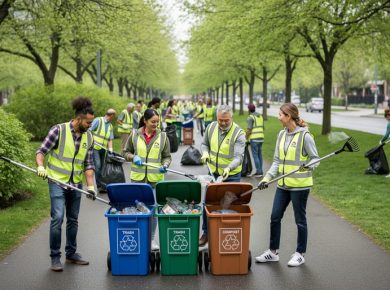
The challenge isn’t finding opportunities. It’s choosing among them. Platforms like Volunteer Toronto and Eventbrite list dozens of active postings each week, covering everything from environmental conservation at Downsview Park to culinary volunteer sessions with groups like Soup Sisters. Registration is open for many of these roles, and most organizations make it simple to sign up through online forms or event pages.
What makes 2026 particularly energizing for Toronto volunteers is the breadth of youth-focused programming. Events like the Youth Gathering prioritize young people both as participants and volunteers, creating spaces where the next generation leads community building rather than just watching from the sidelines. At the same time, seasoned volunteers can step into leadership roles, like Habitat GTA’s Construction Crew Leader positions that guide build teams and mentor newer volunteers.
This guide presents eight verified opportunities you can pursue today, explains how to evaluate whether a role matches your goals, and answers the practical questions that often keep people from taking that first step. You’ll see what’s available, how to register, and what to expect when you show up ready to contribute.
How We Selected These Toronto Volunteer Opportunities
We built this list to give you real, actionable paths into Toronto’s volunteer community right now. Every opportunity featured here has open registration as of 2026, meaning you can sign up today and start making a difference.
Our selection process prioritized diversity across multiple dimensions. You’ll find one-day events perfect for testing the waters, ongoing programs for sustained involvement, and skill-based roles that leverage your professional expertise. We included opportunities spanning cultural programming, housing, food security, environmental stewardship, and youth mentorship because meaningful impact happens across all these sectors.
Accessibility mattered deeply in our choices. These opportunities accommodate different schedules, from weekend mornings to weekday evenings. Some require no prior experience, while others welcome specialized skills. Several are specifically youth-friendly, recognizing that young volunteers bring vital energy and perspective to community work.
We verified that each organization provides genuine community impact in Toronto neighborhoods, and many offer training or support to help you succeed. Whether you have two hours or can commit to multiple sessions, whether you’re exploring volunteering for the first time or bringing years of expertise, you’ll find options here that fit your life and amplify your contribution to the city we all share.
1. Toronto Council Fire Native Cultural Centre, Youth Gathering Volunteer
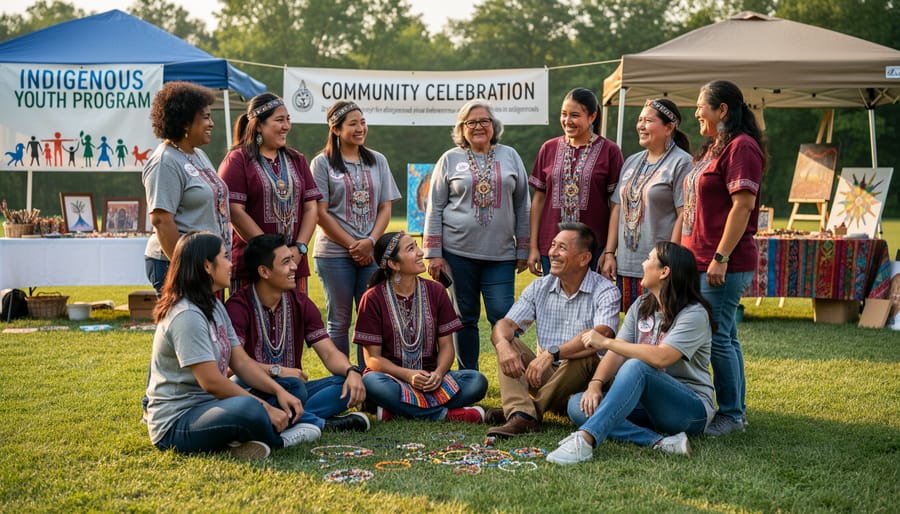
The Toronto Council Fire Native Cultural Centre’s 9th Annual Youth Gathering: RESILIENCE! represents one of Toronto’s most meaningful opportunities to support Indigenous youth programming while celebrating cultural traditions. Scheduled for Saturday, August 8th, 2026 in Regent Park, this one-day event brings together Indigenous youth from across the city for cultural activities, learning experiences, and community connection.
Volunteers play a crucial behind-the-scenes role that makes cultural celebrations like RESILIENCE! possible. You might help with activity stations, welcome participants, assist with setup and logistics, or support workshop facilitators. These tasks ensure Indigenous youth can focus on learning, connecting with their heritage, and building resilience within a supportive community environment. Your presence as a volunteer creates the infrastructure that allows meaningful cultural exchange to happen.
What makes this opportunity special is its concentrated impact. A single Saturday gives you the chance to contribute to youth empowerment and cultural preservation without a long-term commitment. You’ll work alongside other community-minded volunteers and witness firsthand how Indigenous youth engage with their cultural identity. The one-day format suits people testing out volunteering, those with packed schedules, or anyone wanting to support Indigenous communities in a tangible way.
Registration happens through an online form that lets you secure your volunteer spot in advance. This streamlined process means you can commit quickly and receive any event details or preparation instructions the centre provides. Whether you’re new to volunteering or experienced with youth programming, your enthusiasm and willingness to support make you a valuable part of creating this empowering experience for Toronto’s Indigenous youth.
2. Habitat GTA, Construction Crew Leader

Habitat GTA’s Construction Crew Leader opportunity puts you at the forefront of creating affordable housing across the Greater Toronto Area. This role goes beyond swinging a hammer, you’ll guide and coordinate volunteer construction teams on active home builds, developing real leadership skills while making tangible change in the lives of families who need stable housing.
As a Crew Leader, you’ll oversee groups of volunteers through various stages of residential construction, from framing to finishing work. The position requires a multi-day commitment, giving you sustained involvement in projects where you’ll witness homes take shape from foundation to completion. This extended engagement allows you to build meaningful relationships with fellow volunteers and see the direct impact of your efforts, something one-off events can’t offer.
Habitat GTA provides comprehensive training before you start leading crews, so prior construction experience isn’t mandatory. You’ll learn project management fundamentals, safety protocols, and how to coach volunteers with varying skill levels. This professional development translates beyond the build site, many crew leaders report using these management and communication skills in their careers.
The housing crisis affects thousands of Toronto families, making this opportunity particularly impactful. Each build creates permanent homes for families who otherwise couldn’t afford homeownership, breaking cycles of housing insecurity. Unlike environmental volunteering or one-day events, you’ll meet the families whose lives you’re changing and potentially celebrate alongside them at dedication ceremonies.
The role suits people who want responsibility, enjoy hands-on work, and can commit to regular weekend build days. You’ll leave each session knowing you’ve contributed something permanent to Toronto’s community fabric.
3. Soup Sisters with IWIRC Ontario, Meal Preparation Event

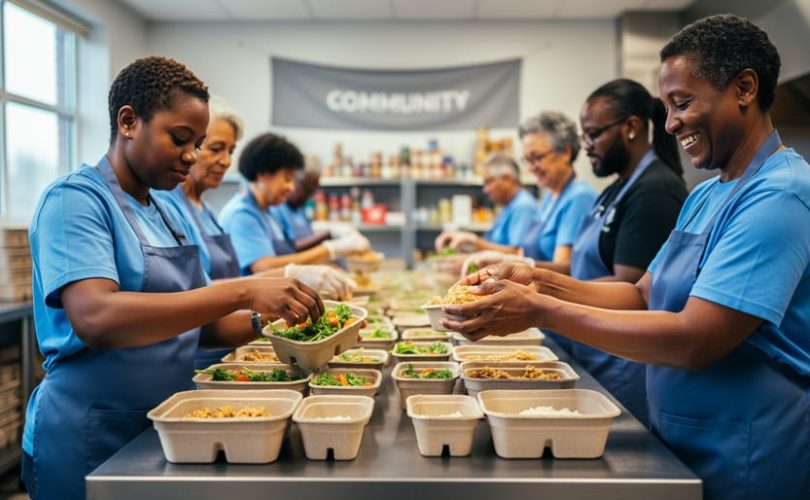
On Wednesday evening, October 14th at 5:00 PM, volunteers gather at Nella Cucina in the Annex for a Soup Sisters collaboration with IWIRC Ontario that transforms strangers into a community kitchen. This meal preparation event brings together people who’ve never chopped an onion alongside experienced home cooks, all working toward the same goal: creating nutritious, heartfelt meals for Toronto residents facing hardship.
The format removes common barriers that prevent people from volunteering. You don’t need culinary training, prior experience, or your own equipment. Nella Cucina provides the space, ingredients, and guidance while volunteers form small teams to prepare soups and meals that local shelters and support agencies distribute within days. A youth volunteer can work alongside retirees, professionals can collaborate with students, and the shared activity creates natural conversation that builds connections beyond the event itself.
The evening structure makes volunteering accessible even for busy schedules. Unlike ongoing commitments requiring weekly attendance, this single-session event lets you contribute meaningfully without long-term obligation. Volunteers arrive, receive simple instructions, spend two to three hours preparing meals together, and leave knowing they’ve created tangible support for vulnerable community members that same week.
The social dimension distinguishes group volunteering events like Soup Sisters from individual service. Working side-by-side in a warm kitchen, sharing stories while stirring pots, creates the kind of community bonds that mirror the nourishment being prepared. The meals feed bodies; the experience feeds something equally vital in volunteers themselves.
4. Downsview Park, Monarch Magic Environmental Stewardship
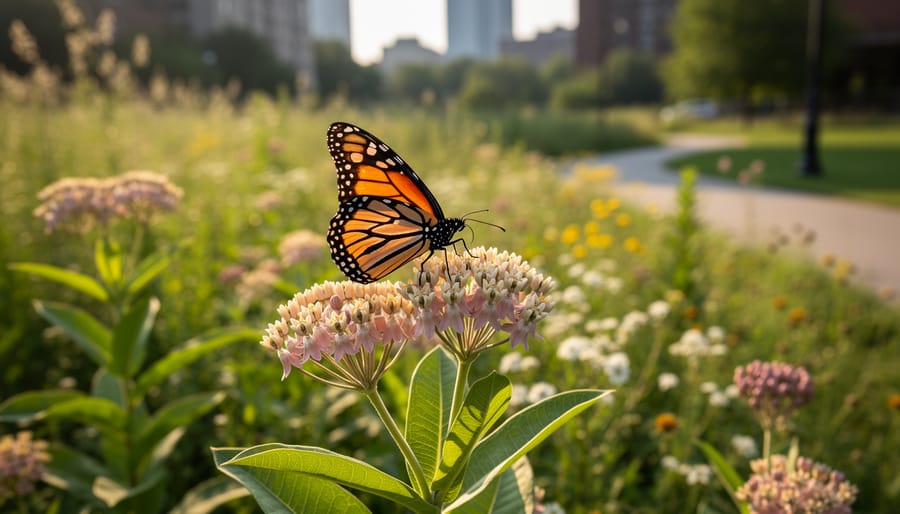
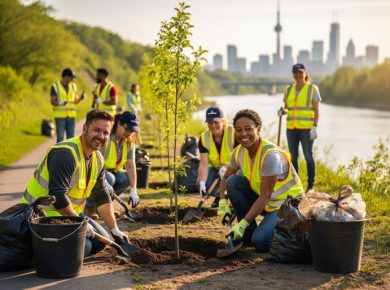
Downsview Park’s Monarch Magic event offers a hands-on way to support Toronto’s urban ecosystem while learning about one of nature’s most remarkable migration stories. This Sunday morning gathering brings volunteers outdoors to restore habitat specifically designed for monarch butterflies, whose populations have declined dramatically in recent decades. You’ll work alongside naturalists and community members to plant native milkweed and wildflowers, remove invasive species, and create corridors that support monarchs during their multi-generational journey between Canada and Mexico.
The family-friendly format makes this ideal for parents introducing children to environmental stewardship. Kids gain practical knowledge about pollinator ecosystems while contributing to real conservation outcomes. The educational component runs throughout the morning, with experts explaining how urban green spaces like Downsview Park function as vital rest stops for migrating butterflies and other wildlife navigating Toronto’s developed landscape.
What sets this opportunity apart is the immediate visibility of your impact. Unlike some environmental projects where results take years to materialize, restored butterfly gardens show life within weeks as native plants bloom and pollinators return. The social atmosphere encourages conversation with fellow nature enthusiasts, and many participants return for subsequent planting sessions, building connections with neighbors who share conservation values.
This event also works well as one of the large group options if you’re organizing a team-building activity or school group outing. Downsview Park can accommodate volunteers with varying physical abilities, offering tasks from planting to watering to educational documentation. You’ll leave with dirt under your nails and knowledge about protecting Toronto’s biodiversity one milkweed plant at a time.
5. Youth Mentorship Programs, Empowering the Next Generation

Youth mentorship programs create bridges between generations, offering Toronto’s young people guidance while giving mentors the chance to shape futures in meaningful ways. These ongoing opportunities through organizations like Big Brothers Big Sisters of Toronto, Toronto Public Library’s youth literacy programs, and JVS Toronto’s career mentorship initiatives connect experienced community members with students and young adults navigating education, career paths, and personal development.
The dual benefit defines these relationships. Mentors gain fresh perspectives and the satisfaction of watching someone grow, while mentees receive personalized support that builds confidence and opens doors. A marketing professional spending two hours weekly helping a high school student prepare for post-secondary applications contributes expertise that ripples through that young person’s entire trajectory.
Toronto’s mentorship landscape accommodates diverse schedules and comfort levels. Virtual mentoring through video calls works for busy professionals, while in-person meetups at libraries, community centers, or coffee shops suit those preferring face-to-face connection. Some programs structure monthly group sessions; others facilitate one-on-one relationships. This flexibility means nearly anyone can participate, regardless of work schedules or transportation constraints.
The impact extends beyond individual pairs. When young people receive consistent support, they’re more likely to pursue education, develop career skills, and eventually mentor others themselves. This creates a self-sustaining cycle that strengthens Toronto’s social fabric. Programs focused on community health often integrate mentorship components, recognizing that emotional support and positive role models contribute significantly to young people’s overall wellbeing.
Most organizations provide training covering communication techniques, boundary-setting, and age-appropriate engagement, ensuring mentors feel prepared and supported throughout their commitment.
6. Community Events Coordination, Behind-the-Scenes Impact
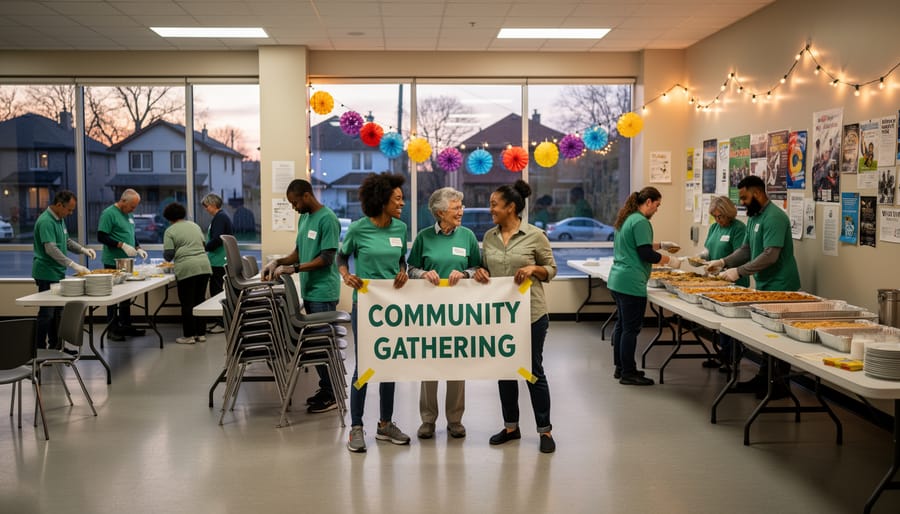
Toronto’s vibrant calendar of neighborhood festivals, cultural celebrations, and civic gatherings relies on volunteers working behind the scenes to transform concepts into memorable experiences. These coordination roles offer hands-on exposure to event planning while connecting you with organizers and community members across the city’s diverse neighborhoods.
Event coordination volunteers handle logistics that make gatherings run smoothly. You might help set up vendor areas at street festivals, coordinate volunteer schedules for cultural celebrations, manage registration tables at community fundraisers, or support audio-visual needs at civic forums. These responsibilities teach practical skills in project management, communication, and problem-solving under real-world conditions. Each event presents unique challenges that build your capacity to adapt and deliver results.
The networking aspect proves particularly valuable. You’ll work alongside experienced event professionals, community leaders, and fellow volunteers who share your commitment to strengthening local connections. Many volunteers discover career opportunities or collaborative partnerships through these interactions. Organizations frequently tap reliable event volunteers for leadership roles as their skills and familiarity grow.
What makes this volunteering especially meaningful is witnessing how well-executed events strengthen neighborhood bonds. A smoothly-run multicultural festival introduces residents to new traditions. An accessible civic event ensures marginalized voices participate in community decisions. A family-friendly street fair creates memories that build neighborhood pride. Your organizational contributions directly enable these moments of connection.
Organizations across Toronto need event volunteers year-round, with concentration during festival season. Start by identifying neighborhoods or cultural communities you want to support, then reach out to local business improvement areas, cultural centers, and community associations to express your interest. Most welcome volunteers with varying availability, from single events to ongoing support roles.
7. Food Security Initiatives, Addressing Immediate Needs
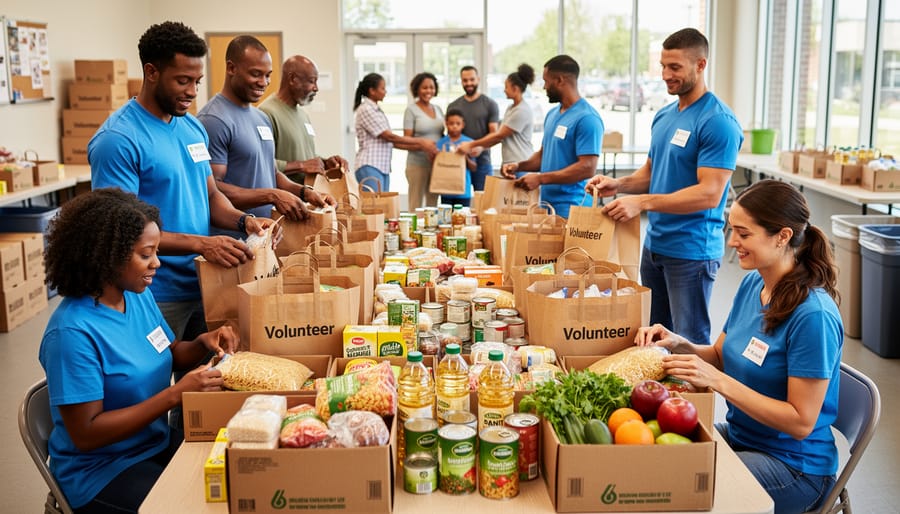
Food insecurity affects thousands of Toronto households, making volunteer support for food programs among the most urgently needed contributions you can make. These opportunities connect you directly with neighbors facing difficult circumstances, delivering tangible relief through every shift you work.
Food banks across Toronto need volunteers year-round for sorting donated items, organizing inventory by expiration dates, packing hampers for distribution, and assisting families during pickup hours. These roles suit first-time volunteers because organizations provide clear instructions and pair newcomers with experienced staff. You’ll quickly see how your two or three hours transform donated groceries into dignified support for families stretching limited budgets.
Community kitchens offer different rhythms. Volunteers chop vegetables, prepare nutritious meals in bulk, clean equipment, and sometimes deliver finished dishes to shelters or homebound seniors. If you enjoy cooking or want to develop kitchen skills while serving others, these programs welcome you regardless of culinary experience. The social atmosphere makes shifts feel collaborative rather than repetitive, and you leave knowing dozens of people will eat well because you showed up.
Meal delivery programs recruit drivers and route coordinators who bring prepared food to isolated individuals. This work combines logistics with personal connection since you often meet recipients who depend on regular visits for both nutrition and brief human contact. Some programs schedule deliveries weekly, others monthly, letting you commit based on availability.
Registration typically happens through Volunteer Toronto or directly with organizations like Daily Bread Food Bank and Second Harvest. Many programs accommodate evening and weekend schedules, recognizing that working professionals want to contribute too. The impact you create is immediate and measurable, one meal and one family at a time.
8. Skills-Based Volunteering, Leveraging Your Professional Expertise

Toronto’s non-profit sector thrives when professionals share their expertise. Skills-based volunteering transforms how organizations operate, letting you apply your marketing chops, IT knowledge, financial acumen, or legal training where it matters most. Instead of general tasks, you tackle challenges that directly expand an organization’s capacity to serve the community.
Marketing professionals might redesign campaign materials for a youth mentorship program, helping them reach 300 additional families. IT specialists can build database systems that streamline client intake for housing services. Accountants bring financial planning expertise to arts organizations launching new programs. Lawyers offer pro bono guidance on compliance issues that let small charities focus resources on frontline work rather than consultant fees.
These high-impact roles create compound benefits. Organizations gain professional-grade work they couldn’t otherwise afford, stretching donor dollars further. You develop skills outside your day job’s constraints, experiment with different sectors, and build meaningful connections with mission-driven leaders. A graphic designer volunteering with an environmental group might explore cause marketing strategies. An HR manager working with a newcomer settlement agency gains cross-cultural competency.
Volunteer Toronto’s skills-based volunteer section connects professionals with current needs. Many organizations welcome virtual contributions, letting you contribute during evenings or weekends without commuting. Projects range from one-time intensives (website redesign over two weeks) to ongoing advisory roles (quarterly board presentations on digital strategy).
The ripple effect extends beyond individual organizations. When a food bank improves its inventory management system, more families receive consistent support. When a cultural centre strengthens its grant writing, programming expands for years. Your professional expertise becomes community infrastructure.
Making Your Volunteer Experience Count
Starting your volunteer journey begins with a simple decision to show up. Platforms like Volunteer Toronto and Eventbrite make discovering opportunities straightforward, browse by cause, location, or time commitment, then register directly through their secure forms. The Toronto Council Fire event and similar programs demonstrate how accessible registration has become, often requiring just a few clicks to secure your spot.
Choosing the right fit matters more than finding the perfect opportunity. Consider what energizes you: hands-on construction work, mentoring relationships, one-time events, or ongoing commitments. Match opportunities to your actual schedule rather than an idealized version of it. A few hours monthly at a food bank creates more impact than overcommitting to a role you can’t sustain.
For those taking their first steps:
- Start with single-day events like Monarch Magic or Soup Sisters to test different causes
- Communicate your availability honestly during registration, organizations value reliability over availability
- Ask about training and support provided; most programs equip you with everything needed
- Track the tangible outcomes of your work to see your contribution’s ripple effect
Your individual commitment strengthens Toronto’s entire community fabric. When you volunteer, you don’t just fill a roster, you inspire neighbors, support vulnerable residents, and demonstrate that collective action starts with personal choice. Toronto’s 2026 opportunities are waiting. Register today and become part of the community impact you want to see.
Frequently Asked Questions
Volunteering in Toronto opens doors to meaningful community engagement, but many potential volunteers have practical questions before taking the first step. Understanding what to expect can make the difference between browsing opportunities and actually showing up to make an impact.
How much time do I need to commit as a volunteer?
Time commitments vary widely depending on the opportunity type. One-time events like community festivals or meal preparation sessions typically require just a few hours, while ongoing programs such as youth mentorship or construction crew leadership may ask for regular weekly or monthly commitments that span several months.
Are youth allowed to volunteer independently in Toronto?
Age requirements differ by organization and role. Many programs welcome youth volunteers starting at 13 or 14, with some requiring parental consent for those under 16. Youth-focused opportunities, like the Toronto Council Fire Native Cultural Centre’s Youth Gathering, actively encourage younger volunteers and provide appropriate supervision and support.
Will I receive training before I start volunteering?
Most organizations provide orientation and role-specific training, especially for positions requiring particular skills or safety knowledge. Construction crew leaders, for example, receive training in volunteer management and site safety, while event-based roles typically include brief day-of orientations.
Do I need a background check to volunteer?
Background checks are typically required for roles involving vulnerable populations, particularly when working with children, seniors, or in healthcare settings. Many organizations facilitate this process at no cost to volunteers, though processing can take a few weeks.
How do I find opportunities that match my specific skills?
Platforms like Volunteer Toronto allow you to filter opportunities by cause area, required skills, and time commitment. You can search specifically for roles needing professional expertise in fields like marketing, finance, or IT, or browse by interest areas like environmental stewardship or food security.
What’s the registration process like?
Registration typically involves completing an online form with your contact information, availability, and relevant experience. Some opportunities use dedicated volunteer platforms, while others employ simple tools like Microsoft Forms or Eventbrite for event-based roles. Response times vary, but many organizations reach out within a week to confirm next steps.
These practical considerations shouldn’t hold you back from getting started. Most Toronto organizations understand that volunteers are giving their time and energy, so they work to make the process as straightforward as possible. Whether you have two hours on a Sunday morning or can commit to a regular weekly shift, there’s an opportunity waiting that fits your life and amplifies your impact.