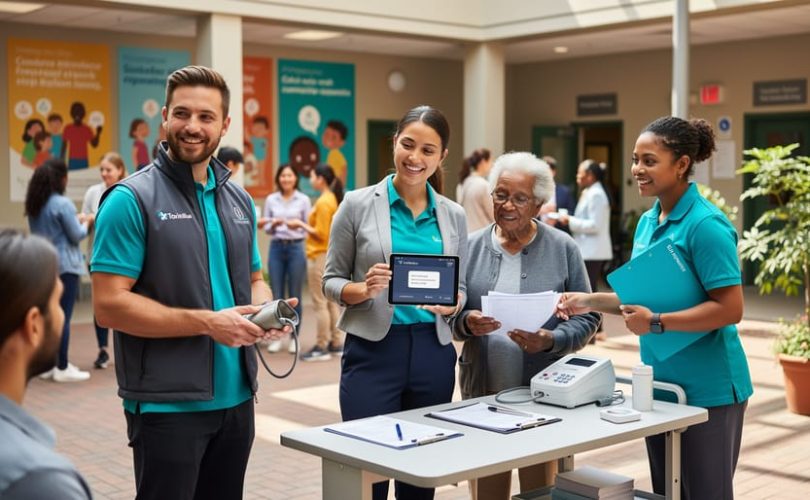
Volunteer community health connects passionate individuals with local health initiatives to improve wellness outcomes in neighborhoods that need it most. Whether you’re checking blood pressure at a street festival, teaching nutrition basics in a community center, or helping seniors navigate healthcare appointments, these volunteer roles create tangible change by bringing healthcare beyond hospital walls and into the heart of Toronto’s diverse communities.
These programs succeed because they address a simple truth: many people face barriers to accessing traditional healthcare, from transportation challenges to language differences to gaps in health literacy. Volunteers bridge these gaps. A nursing student might spend Saturday mornings translating medical information for new immigrants. A retiree with pharmacy experience could counsel neighbors about medication safety. Young people often bring fresh energy and digital skills that help clinics modernize their outreach.
The impact shows up in real ways. Community health fairs reach people who haven’t seen a doctor in years. Mobile clinics staffed partly by volunteers bring screenings to underserved areas. Support groups led by trained volunteers offer connection and practical guidance to those managing chronic conditions.
For youth especially, these opportunities offer something textbooks can’t: hands-on learning alongside healthcare professionals, exposure to public health challenges facing your own neighbors, and the chance to build skills that matter whether you’re planning a health career or simply want to strengthen your community. The work is immediate, meaningful, and rooted in the understanding that health equity starts with people showing up for each other.
What Makes Community Health Volunteering Different
Community health volunteering operates on a fundamentally different model than traditional healthcare delivery. Instead of waiting for people to navigate appointments and transportation barriers, volunteers meet community members in familiar spaces where trust already exists. This grassroots approach removes many obstacles that keep vulnerable populations from accessing care.
The peer-to-peer nature of these programs creates connections formal systems struggle to replicate. When a volunteer shares a similar background, speaks the same language, or has lived through comparable challenges, conversations open up differently. Peer-to-peer support evidence demonstrates how this relatability leads to better health engagement, particularly for marginalized groups who’ve experienced discrimination or dismissal in clinical settings. A young person dealing with anxiety might talk openly with a trained peer volunteer in ways they never would with a doctor they’ve just met.
Cultural competency strengthens these initiatives further. Toronto’s diversity means healthcare needs aren’t one-size-fits-all. Volunteer programs that recruit from within specific communities bring nuanced understanding of dietary practices, family structures, religious considerations, and communication styles that affect health decisions. This insider knowledge helps volunteers tailor information without making anyone feel judged or misunderstood.
Accessibility becomes real rather than theoretical. Volunteer-driven programs reach underserved neighborhoods where clinics are sparse, offer flexible hours that work for shift workers, and eliminate costs that deter people from seeking help. They also build sustained relationships over time. The same familiar faces show up week after week, creating accountability and genuine care that rushed appointments can’t provide. This continuity turns health support from a transactional service into an ongoing partnership.
Where Toronto Volunteers Are Making Health Impact
Reaching Youth Where They Are
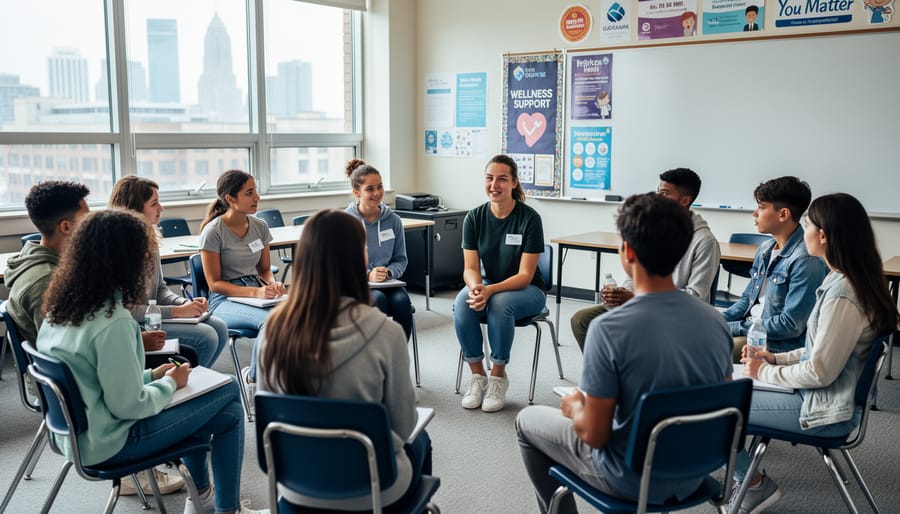
Youth-centered health programs succeed because they meet young people in familiar spaces rather than expecting them to navigate traditional healthcare settings. Trained volunteers run mental health peer support circles in high schools and recreation centers where teens already gather, creating judgment-free zones for conversations about anxiety, stress, and relationship challenges. These volunteers, often young adults themselves, speak the same language and understand the pressures Toronto youth face daily.
Sexual health education through volunteer programs takes a straightforward, shame-free approach that formal settings sometimes struggle to provide. Young volunteers facilitate workshops in community centers and youth drop-in spaces, answering questions about consent, relationships, and resources without the awkwardness many teens feel in clinical environments. The peer-to-peer dynamic makes sensitive topics approachable.
Nutrition and fitness initiatives led by volunteers transform health education into hands-on experiences. Cooking workshops in neighborhood kitchens teach teens how to prepare affordable, nutritious meals. Group fitness sessions in parks and community gyms build confidence and social connections alongside physical wellness. These programs recognize that preaching about healthy choices rarely works; showing youth how and doing it together does.
Youth volunteers gain as much as the communities they serve. Leading workshops, organizing events, and supporting peers builds genuine leadership skills and opens doors to healthcare careers. Young people discover their capacity to create change, developing confidence that extends far beyond their volunteer roles. This reciprocal benefit strengthens Toronto’s community health landscape while preparing the next generation of advocates and professionals.
The Skills and Training Behind Effective Health Volunteers
You don’t need a medical degree to make a difference in community health. Toronto’s volunteer programs provide comprehensive training that equips everyday people with the skills to support their neighbors effectively and safely.
Most programs begin with foundational health literacy sessions. You’ll learn how to recognize common health concerns, understand basic wellness principles, and communicate health information clearly without using medical jargon. These sessions demystify health topics so you can have confident, helpful conversations with community members.
Cultural sensitivity training forms another essential component. Toronto’s diversity means volunteers work with people from varied backgrounds, each with unique health beliefs and communication styles. Training covers how to approach conversations with respect, recognize cultural considerations around health topics, and avoid assumptions that might create barriers.
Core competencies health volunteers develop include:
- Active listening techniques to understand what community members truly need
- How to establish appropriate boundaries while remaining compassionate
- Recognizing when to make referrals to professional healthcare providers
- Maintaining confidentiality and understanding privacy principles
- De-escalation strategies for emotionally charged situations
Programs also teach volunteers their limitations. You’ll learn exactly when a concern requires professional intervention and how to connect people with appropriate resources. This knowledge protects both volunteers and community members.
Training isn’t a one-time event. Most organizations offer ongoing support through regular check-ins, peer mentoring, and refresher workshops. You’re never left to figure things out alone. Supervisors remain available to answer questions and provide guidance as situations arise.
The time commitment varies. Some programs offer weekend intensives, while others spread training across evening sessions. Many now provide online modules you can complete at your own pace, followed by in-person practice sessions where you role-play real scenarios.
This structured preparation means you’ll feel ready, not overwhelmed, when you start making an impact.
Real Stories: When Volunteers Bridge Healthcare Gaps
Stories bring the heart of community health work to life. They show what happens when neighbors step up to help neighbors navigate healthcare challenges.
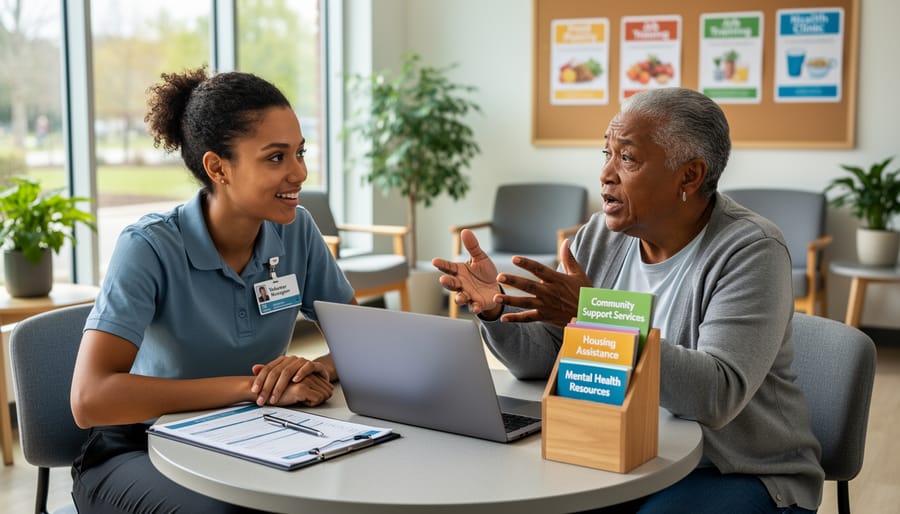
Consider Margaret, a 73-year-old living alone in Scarborough. She struggled with anxiety but didn’t know where to turn. A volunteer health navigator from her community center spent time understanding her concerns, walking her through local mental health resources, and accompanying her to her first counseling appointment. Margaret later said having someone who simply listened and cared made all the difference. She now attends a peer support group and volunteers herself, helping other seniors access services.
The Nguyen family arrived in Toronto from Vietnam during Mrs. Nguyen’s second trimester. Language barriers and unfamiliarity with the healthcare system left them uncertain about prenatal care. A bilingual volunteer connected them with a midwife who spoke Vietnamese, explained what to expect at appointments, and helped them register for parenting classes. When their daughter was born healthy, they credited the volunteer who bridged the gap between their needs and available resources.
At a Regent Park high school, four students noticed classmates skipping lunch or eating poorly. They partnered with a community health organization to launch peer-led nutrition workshops. These teens learned to facilitate conversations about affordable healthy eating, cultural food traditions, and reading labels. Their workshops became popular because students trusted advice from peers who understood their lives. The program spread to two neighboring schools, with youth volunteers leading each session.
These aren’t isolated moments. Across Toronto, volunteers create these connections daily, matching people with the right resources, offering culturally sensitive support, and building trust in communities where healthcare can feel distant or intimidating. The impact lives in these individual transformations, one relationship at a time.
Starting Your Journey as a Community Health Volunteer
Getting started as a community health volunteer in Toronto is more straightforward than many people imagine. The path begins with understanding what you bring to the table and finding programs that match both your passions and your schedule.
Start by exploring platforms designed to connect volunteers with meaningful opportunities. UWindsor helps Toronto residents discover health-focused roles across the city, from mental wellness support to nutrition education programs. These platforms let you filter by location, time commitment, and the populations you’d like to serve.
Once you’ve identified programs that resonate with you, follow these practical steps:
- Review the program’s specific requirements, some roles need particular skills or availability, while others welcome anyone with commitment and compassion.
- Complete the application honestly, highlighting relevant experience but also explaining why this work matters to you personally.
- Prepare for an interview or orientation where coordinators assess fit and answer your questions about day-to-day responsibilities.
- Complete any required training, which might include health literacy basics, confidentiality protocols, or cultural competency workshops.
- Start with a trial period where you’ll work alongside experienced volunteers before taking on independent responsibilities.
Consider your natural strengths when choosing a role. If you’re comfortable with technology, you might excel at helping seniors navigate telehealth appointments. Bilingual volunteers often bridge crucial communication gaps. Those with lived experience in mental health recovery bring invaluable peer perspective.
Many volunteers begin with group volunteer opportunities which provide built-in support and shared learning. Working alongside others helps you build confidence while maximizing team community impact through collective effort.
Don’t let imposter syndrome hold you back. Community health programs value authentic care and willingness to learn above credentials. The most effective volunteers are simply neighbors who show up consistently and listen deeply.
Building Stronger Health Programs: What Organizations Need
Organizations that build lasting volunteer community health programs start by defining roles that create genuine connection rather than busywork. Volunteers thrive when their contributions matter, facilitating health workshops, conducting wellness checks with isolated seniors, translating medical information for newcomers, or coordinating community health events. Clear role descriptions that outline expectations, time commitments, and the difference volunteers will make attract people who stay engaged.
Recruitment works best through multiple channels. Partner with local colleges where students need service-learning hours, connect with faith communities whose values align with health equity, and reach out to retired healthcare professionals seeking meaningful ways to give back. Toronto’s cultural diversity means recruiting volunteers who reflect the neighborhoods they’ll serve, bringing language skills and lived experience that formal healthcare systems often lack.
Once volunteers join, ongoing support determines whether they flourish or fade. Assign each volunteer a point person for questions, provide regular debriefing sessions where they can process challenging situations, and offer continuing education opportunities. Recognition doesn’t require elaborate ceremonies, a handwritten thank-you note, public acknowledgment at community events, or annual appreciation gatherings where volunteers share their experiences can sustain motivation far longer than certificates alone.
Measuring impact shifts from chasing numbers to capturing stories. Collect feedback through volunteer journals, participant testimonials, and informal conversations that reveal how programs touch lives. When a volunteer shares that an elder finally scheduled a delayed specialist appointment, or parents mention their teen seems less anxious after peer support sessions, you’re witnessing transformation that no spreadsheet fully captures. These qualitative insights guide program improvements and demonstrate value to funders who understand community work.
The quiet power of volunteer community health work lies in its simplicity: neighbors helping neighbors, knowledge shared over kitchen tables, and trust built one conversation at a time. Across Toronto’s diverse neighborhoods, these connections are strengthening the fabric of community wellness in ways that clinical settings alone cannot achieve.
Whether you’re a young person with fresh energy and digital fluency, a professional with health expertise to share, or someone who simply understands what your neighbors need because you’ve walked similar paths, there’s a meaningful role waiting. The barriers to entry are lower than you might think, and the learning flows both ways. Organizations ready to expand their reach will find that structured volunteer programs multiply their capacity while grounding their work in authentic community voice.
For groups looking to make health impact together, large group volunteering creates momentum that individual efforts can’t match. Teams bring diverse skills and sustained energy to complex health challenges. When colleagues, classmates, or friends volunteer as a team they strengthen both community bonds and their own connections.
Toronto’s healthiest neighborhoods will be the ones where residents refuse to wait for someone else to solve local health gaps. Start where you are, with what you have, for the people around you. That’s how transformation begins.