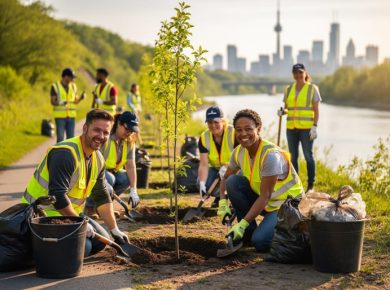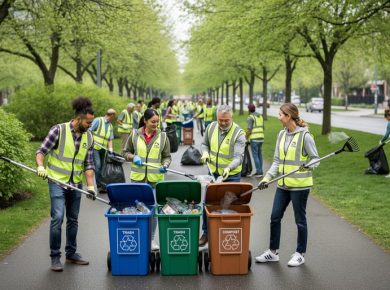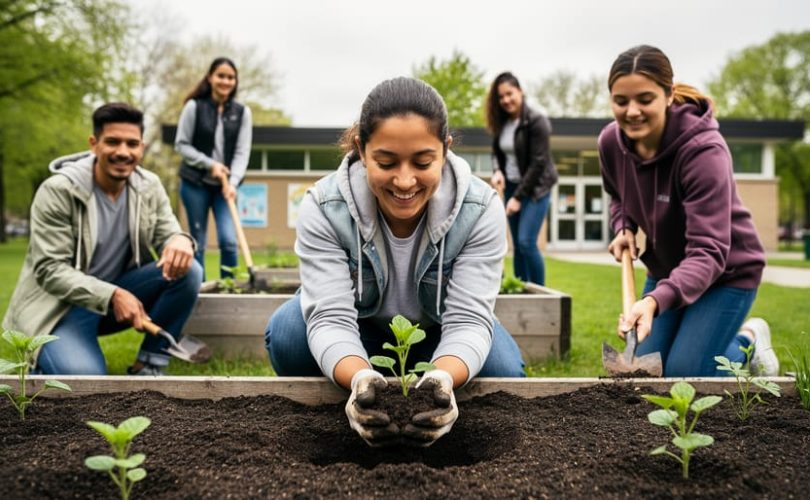
Community development volunteers are everyday people who give their time and skills to strengthen the neighbourhoods they live in. They run food programs, organize youth sports, welcome newcomers, tidy parks, and help local groups do more with what they have. You don’t need a special degree to start. A few hours a week, a willingness to learn, and care for the people around you will take you a long way.
In Toronto, that care shows up everywhere. A teenager helps younger kids with homework at a neighbourhood library. A group of neighbours turns an empty lot into a shared garden. A retired teacher mentors a first-time volunteer coordinator. Youth bring fresh ideas and big energy to this work, and many of the city’s strongest programs grow because young people got a seat at the table early.
For organizations, the same truth applies from the other side. Volunteers stay when their role is clear, their first day feels welcoming, their training builds confidence, and their effort is noticed. Get those pieces right and a handful of helpers becomes a team that lasts.
This guide covers both paths. You’ll see what the role involves, how young people can step in, and how to build a volunteer program that supports people well, with practical next steps and answers to common questions at the end.
What Community Development Volunteers Actually Do
Everyday Ways Volunteers Make a Difference
Walk through almost any Toronto neighbourhood and you’ll see community development volunteers at work. They’re setting up folding tables for a block party, sorting produce at a food program, or handing out welcome kits to families who just arrived in the city. The work is varied, and that’s the beauty of it.
Some volunteers focus on connection. They help run neighbourhood events, from summer street festivals to winter warming nights, that bring neighbours together who might never otherwise meet. Others support food programs, packing hampers, serving community meals, or helping a pantry run smoothly so no one goes without.
Newcomer welcome efforts are another big part of the picture. Volunteers can show new residents around, practise conversational English over coffee, or explain how to find the nearest library, clinic or recreation centre. A little local knowledge goes a long way when everything feels unfamiliar.
If you enjoy learning alongside others, tutoring and homework clubs give kids and teens steady encouragement. Many people also find their fit in community health programs, where volunteers support wellness workshops, friendly check-in calls and accessible activities for neighbours of all ages.
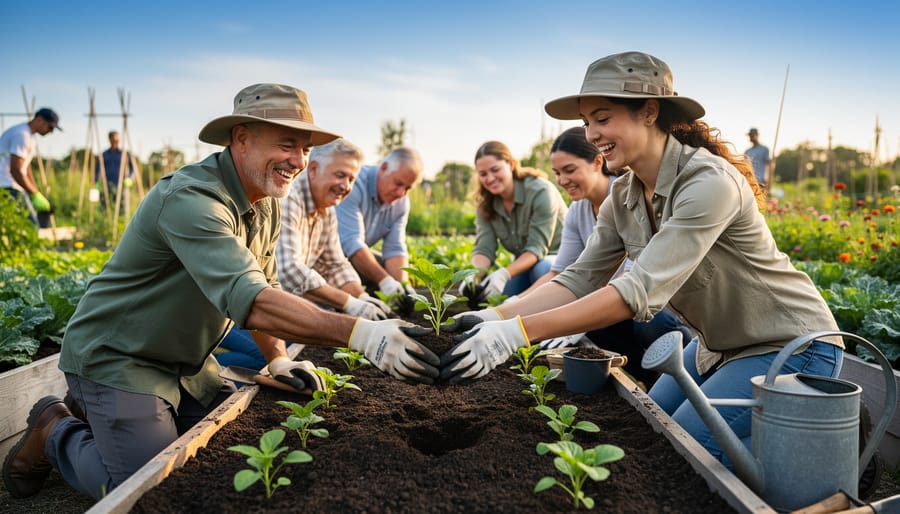
Prefer to be outdoors? Green space projects put your hands in the soil. Planting a community garden bed, restoring a small park, or joining a clean-up crew are all simple ways into environmental volunteering that leaves a visible mark on the streets you walk every day.
Community hubs tie much of this together. Whether it’s greeting people at the front desk, helping set up a workshop, or keeping the space warm and welcoming, volunteers make these shared spaces feel like home. There’s a role for nearly every interest and schedule.
Skills and Qualities That Help You Thrive
You don’t need a perfect résumé to make a real difference. The qualities that matter most are ones almost everyone can bring: curiosity, reliability, and care.
Curiosity means listening before leaping in. Great community development volunteers ask neighbours what they need and what’s already working, then build from there. Reliability is simple but powerful. Showing up when you said you would, even for a two-hour shift, builds the trust that holds a community project together. And care shows in small things, like remembering a name, welcoming someone new, or offering a hand without being asked.
The skills grow as you go. Volunteers often find themselves getting better at teamwork, communication, event planning, problem-solving, and leading with confidence. A shy newcomer might discover a knack for organizing. A student might learn how to bring people together around a shared goal.
Bring your openness and your willingness to learn. Everything else can be built along the way, alongside the people you’re helping.
Why Youth Voices Make Communities Stronger
Opportunities Young Volunteers Can Step Into
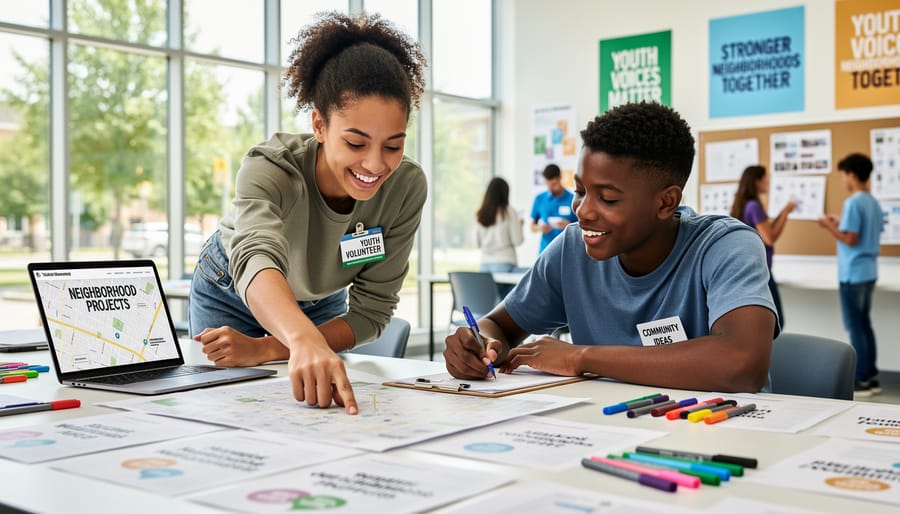
Young people don’t need to wait until they’ve “figured it all out” to make a difference. Plenty of roles welcome fresh energy right now, and many of them build real skills along the way. Organizations that see youth volunteers as true contributors tend to build stronger, longer-lasting connections.
Here’s a quick look at popular entry points:
| Role type | What youth do | Skills gained | Typical time commitment |
|---|---|---|---|
| Peer mentoring | Support younger students or newcomers | Listening, confidence, leadership | Regular, flexible hours |
| Event support | Welcome guests, set up, help run activities | Teamwork, organization, communication | One-off or occasional |
| Social media storytelling | Share photos, stories, and updates | Creativity, writing, digital skills | Short, ongoing tasks |
| Youth-led projects | Plan and lead a neighbourhood initiative | Planning, problem-solving, initiative | Varies by project |
For organizations, a few simple choices make roles feel open and worthwhile. Offer flexible schedules that work around school. Explain clearly how each task helps the community. Pair younger volunteers with a friendly guide, and invite their ideas early. Research on involving youth as partners shows that it benefits the whole community, not just the young people themselves.
Start small, stay curious, and let confidence grow with every shift.
Building a Volunteer Program That Helps Volunteers Flourish
Start With Clear, Meaningful Roles
Volunteers say yes faster when they can see exactly what they’re saying yes to. A vague call like “help with our community program” leaves people guessing, and guessing leads to hesitation. A clear role, on the other hand, gives someone a picture of themselves doing something that matters.
Start by naming the purpose behind the task. What change in the neighbourhood does this role help create? Then spell out the practical details: what the volunteer will do, how much time it takes, who they’ll work alongside, and what support they’ll have. Keep the language plain and welcoming, and note which skills are helpful and which are simply learned along the way.
Here’s a simple example of a well-described role:
Community Garden Welcome Host. Greet neighbours at our Saturday garden sessions, help newcomers find a plot or a task, and share a few tips on watering and planting. About three hours a week, working alongside a garden lead. No gardening experience needed, just a friendly attitude and a love of fresh air. Your welcome helps neighbours of all ages feel at home and keeps this green space growing.
Notice how the role connects the task to the outcome. When volunteers understand that link, their time feels purposeful from day one.
Welcome, Train, and Support Every Volunteer
A volunteer’s first few weeks set the tone for everything that follows. People stay when they feel expected, prepared, and part of something. Here’s a simple sequence that works for community groups of any size:
- Reach out: Share openings in the places your neighbours already gather, such as libraries, community centres, school boards, and local social media groups, and invite youth, newcomers, and seniors alike.
- Welcome: Reply quickly and personally, with a friendly call or message that explains what the role involves and answers questions without pressure.
- Orient: Offer a first-day walkthrough covering your mission, the people they’ll meet, safety basics, and where to find help.
- Train: Teach the specific tasks of the role, pair newcomers with an experienced buddy, and let them shadow before they lead.
- Check in: Schedule brief conversations after the first shift, the first month, and then regularly, asking what’s going well and what could be easier.
- Celebrate: Mark milestones, share what their effort made possible, and say thank you often.
Belonging doesn’t happen by accident. Learn names and pronounce them correctly. Offer flexible schedules so students, parents, and shift workers can all take part. Share instructions in plain language, and explain any local terms or acronyms. Give younger volunteers real responsibility, and pair them with mentors who listen as much as they guide.
Notice, too, that support doesn’t end after training. A short chat over tea, a quick message after a tough event, or a note asking for feedback shows volunteers that their experience matters. When people feel prepared and valued, they bring more energy, more ideas, and often a friend or two, and that’s how a small team grows into a community.
Recognize Contributions and Keep the Spark Alive
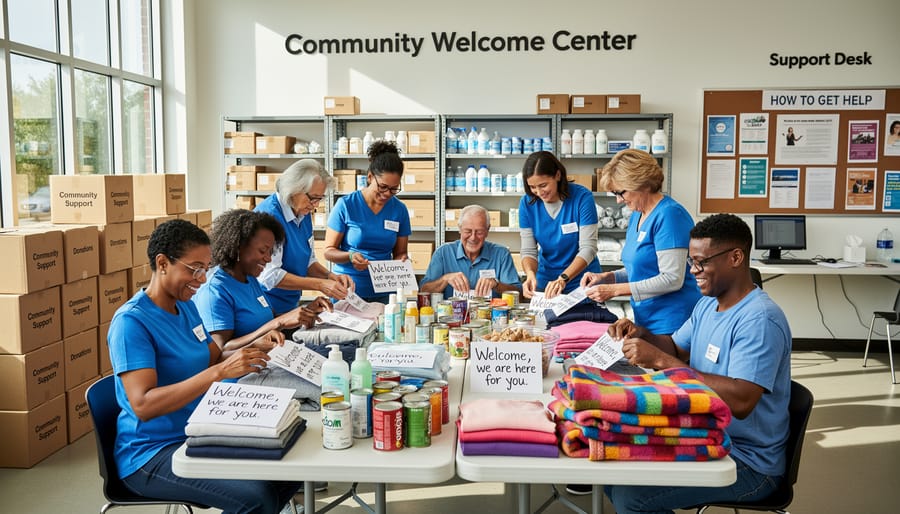
Appreciation doesn’t need a big budget. It needs to be sincere and specific. A quick message that says “your tutoring sessions helped three students finish their homework this week” lands far better than a generic thank-you. Share impact stories in newsletters, at gatherings, or on social media, always with permission, so volunteers can see how their time ripples through the neighbourhood.
Growth keeps people energized, too. Invite volunteers to lead a small project, mentor someone newer, or try a role that stretches their skills. Young volunteers especially value chances to take on real responsibility and add it to their story.
Then listen. Short, friendly check-ins and simple feedback forms show that volunteer voices shape the program. When you act on a suggestion, say so out loud. That loop of listening, adjusting, and celebrating builds trust, and trust is what turns a helpful afternoon into a lasting commitment to the community.
Finding Your Place: Tips for Aspiring Volunteers in Toronto
Every great volunteer story starts with one simple question: what do you care about? Take a few minutes to think about the causes that light you up. Maybe it’s green spaces, helping newcomers feel at home, or mentoring younger neighbours. Your interests are the best compass you have.
Next, look at what’s happening close to home. A volunteer-matching platform makes it easy to browse local opportunities by cause, schedule, and neighbourhood, so you can find a fit without endless searching. Not sure about going solo? Try large group volunteering with friends, classmates, or coworkers, and enjoy the shared energy of making a difference together.
Don’t be shy about asking questions. Good ones include: What will I be doing day to day? How much time is expected? Is training provided? Who will I check in with? Organizations welcome curious volunteers, and the answers help you feel confident from day one.
Then start small. A single afternoon at a neighbourhood event can teach you more than weeks of planning. You can always grow your role as you build connections and comfort.
Whatever you choose, remember this: every hour you give strengthens the community around you. Your presence matters, and it’s more powerful than you think.
Common Questions About Community Development Volunteering
Many people feel curious about volunteering but hold back because of a few common worries. Here are honest, practical answers to the questions we hear most.
Do I need experience to get started?
No. Most community development roles welcome newcomers, and care, reliability, and a willingness to learn matter far more than a long résumé. Many organizations provide an orientation so you feel ready from day one.
How much time do I need to give?
It varies. Some roles are a single afternoon at a neighbourhood event, while others are a regular weekly shift. Start with what fits your life and adjust as you find your rhythm.
How can youth get involved?
Young people can join peer mentoring, event support, storytelling, and youth-led projects. Many organizations actively look for fresh ideas and welcome youth as true partners.
How can an organization begin building a volunteer program?
Begin with a few clear, meaningful roles, then add a simple welcome process and regular check-ins. A small, well-supported program grows stronger than a large one with little guidance.
Whatever your starting point, a small first step is enough. Ask a question, try one opportunity, and see where it leads.
Every thriving Toronto neighbourhood has people behind it, neighbours who showed up, learned the ropes, and kept coming back. Community development volunteers turn small acts into lasting change, and strong Volunteer Program Development and Support makes sure they feel prepared, valued, and part of something bigger.
So take one small step. If you’re an individual, reach out to a local group that sparks your curiosity. If you’re a young person, offer your ideas and energy. If you lead an organization, tidy up one role description or check in with a volunteer today. Your block, your city, your move.